Changemakers is a column that highlights the work of local nonprofit organizations serving Athens County.
When Jane, who is using a pseudonym due to privacy concerns, began renting a lot in her mobile home park nearly 10 years ago, she brought her emotional support animal with her. Jane knew she would need the proper paperwork, so she gave her landlord a copy of a letter from her doctor. The landlord charged her a monthly pet fee anyway — illegally. After her dog died, Jane’s monthly lot rent remained the same.
“They charged me for a dead dog,” she recalled, holding back tears.
The same thing happened with her next dog: proper paperwork, followed by an illegal charge, followed by a pet fee after the dog died. She then continued paying the fee for her current dog, also a documented emotional support animal.
Then a friend advised Jane to reach out to the Fair Housing Center of Southeast and Central Ohio, a project of Legal Aid of Southeast and Central Ohio, formerly known as Southeastern Ohio Legal Services.
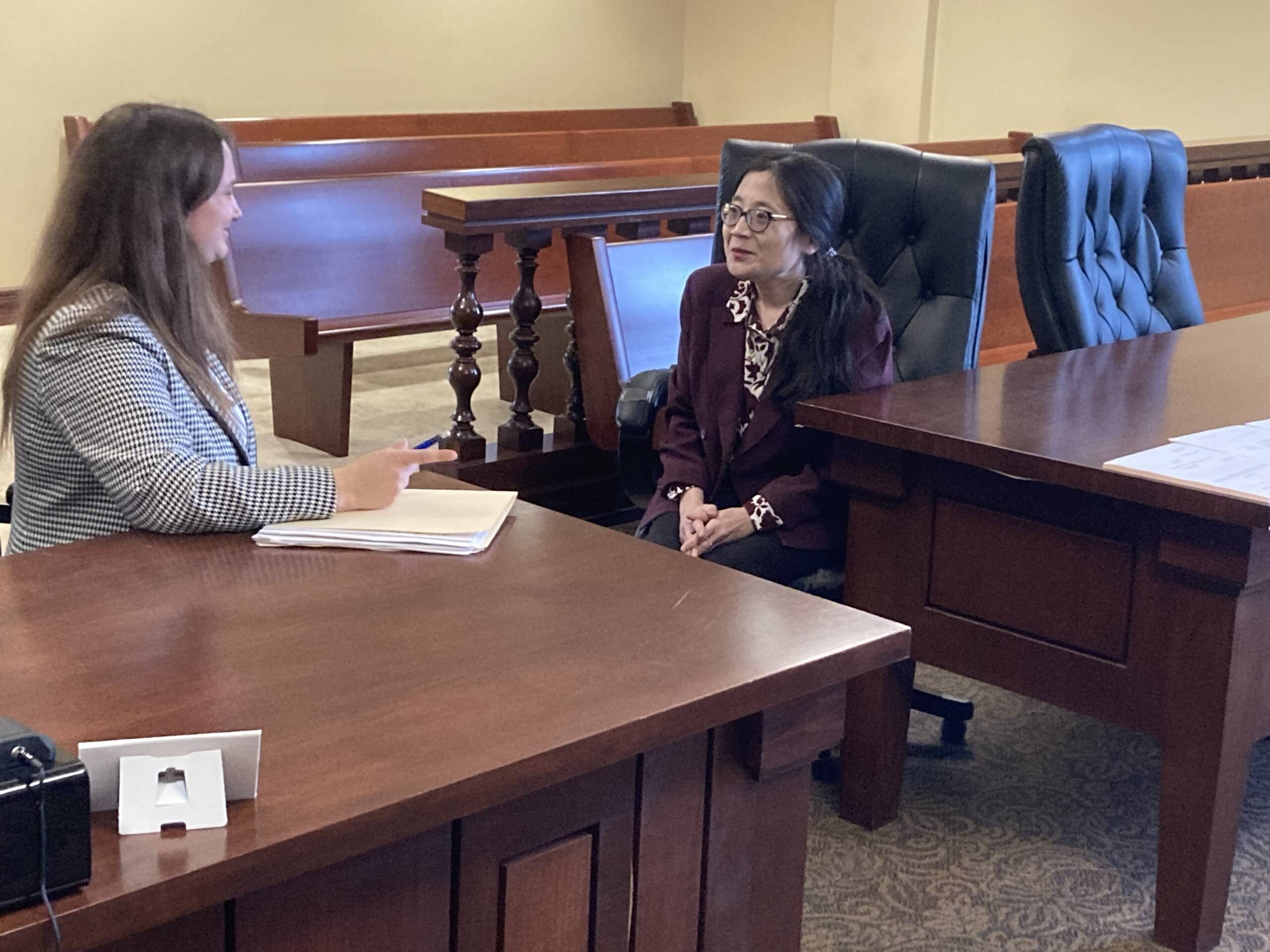
From there, senior staff attorney Peggy Lee took Jane’s case. Lee advised Jane to keep paying the lot rent, then collected the paperwork, tried to reach a direct solution with the landlord, and eventually took the case to the Ohio Civil Rights Commission. The landlord settled the case and refunded Jane all of the pet fees she had paid.
Now Jane’s only concern is retaliation from her landlord.
“It is a concern; it’s something we’ve talked about from the beginning,” said Lee, who has represented hundreds of clients with housing issues. But, Lee points out, “It is illegal under the Fair Housing Act.”
LASCO’s Athens office offers free, non-criminal legal help for low-income and veteran clients in seven counties. About 30% of LASCO’s work is dedicated to housing issues, but the seven staff attorneys in the Athens office also aid clients with other civil issues, including consumer law, family law, health care, immigration, employment, taxes, education, reentry from incarceration, and public benefits like Medicaid and Veterans benefits.
LASCO’s mission is to provide civil legal aid and advocacy to overcome unfairness and injustice, and therefore to reduce poverty and increase opportunity. This may happen through aiding clients in accessing governmental benefits like cash assistance or food benefits, or making sure a divorcing spouse gets their appropriate share of their spouse’s pension.
Fair housing
The Fair Housing Act, plus Ohio law, prohibit discrimination in housing based on race, color, religion, sex, familial status, national origin, ancestry, disability or military status.
“Unfortunately, low-income is not a protected class,” Lee said. But she does credit the City of Athens and the Village of Chauncey for passing local ordinances that prohibit housing discrimination based on source of income (such as Social Security) or LGBTQ+ status. Both municipalities also have “pay to stay” ordinances that allow tenants to stay in their residences if they can come up with all of the money needed to address back rent, late fees and attorney fees.
The vast majority of the fair housing work done by LASCO is funded by the federal Fair Housing Initiatives Program within the U.S. Department of Housing and Urban Development.
In its report to HUD for 2020–2023, LASCO showed that it processed nearly 750 fair housing cases and took enforcement action in 350 of those cases. During that time, LASCO staff prevented the loss of housing for 92 households, preserved housing assistance for 46 households and obtained accommodations for 85 households.
In February, LASCO’s FHIP funding was abruptly terminated by the federal Department of Government Efficiency, among a total 78 FHIP grants. Litigation spearheaded by the National Fair Housing Alliance eventually resulted in restored funding to affected FHIP grantees nationwide. Despite the temporary disruption in the grant, LASCO continued to investigate claims of housing discrimination and pursued enforcement on behalf of those experiencing housing discrimination across southeast and central Ohio.
Caitlyn Petti McDaniel is a staff attorney at LASCO who represents tenant associations and mobile home park resident groups, among other housing work, like “know your rights” trainings. She noted that there is a trend of out-of-state investors buying mobile home parks and increasing the rent.
“There’s a lot of issues in housing right now, there’s a lot of solutions,” Petti McDaniel said. “I think the biggest thing is that tenants and mobile home park residents should know is that there are mechanisms, there are tools available to them to address things like (rent and housing) conditions.”
LASCO has a fair housing testing program, which is akin to a secret shopper program for housing. If there is evidence that a landlord is discriminating against potential renters, people who are trained to do so will inquire about renting a unit while presenting a certain persona. They may present as disabled, for example, to determine if the landlord is violating the Fair Housing Act.
For a long time, LASCO was part of a housing coalition that met quarterly with other housing-related nonprofits and governmental organizations in Athens. This group dovetailed into the Housing Security Co-Create Group, facilitated by the Athens County Foundation, which started meeting in January 2024. The Co-Create group is a collection of some 60 nonprofits and individuals with different interests and expertise in housing and homelessness issues.
LASCO’s Lee serves on the Co-Create Education and Advocacy Committee, which among other things brought a virtual, live lecture to Athens featuring Matthew Desmond, author of “Evicted” and “Poverty, By America,” along with a local housing panel.
As far as education and advocacy, Lee would like Athenians to know their housing rights.
“If they believe that an action or a statement from the landlord seems discriminatory, they can contact LASCO to be screened to determine whether or not there has been discrimination as defined by the Fair Housing Act,” she said. “A tenant may not realize that the adverse action by the landlord could not just be adverse, but it could be a violation of the law.”