ATHENS COUNTY, Ohio — Four mines for coal and industrial minerals were active in Athens County last year, according to a report released last month by the Ohio Department of Natural Resources on state mining activity in 2024.
According to the 2024 report, released Nov. 12, mines active last year in Athens County included the Johnson Run coal mine, the McKee Materials and Harmony Road sand and gravel operations, and the Athens-Hocking Landfill clay mine.
“We’re very much interested in what materials are being mined around the state, and what geologic units those are coming from, and then, very loosely, what they’re being used for,” J.D. Stucker, the assistant chief of ODNR’s Ohio Geological Survey, told the Independent.
The Ohio Geological Survey’s annual report on the state’s mineral industries answers those questions by surveying operators throughout Ohio. It relies on those operators’ reports, as well as estimates based on averages for those who do not report.
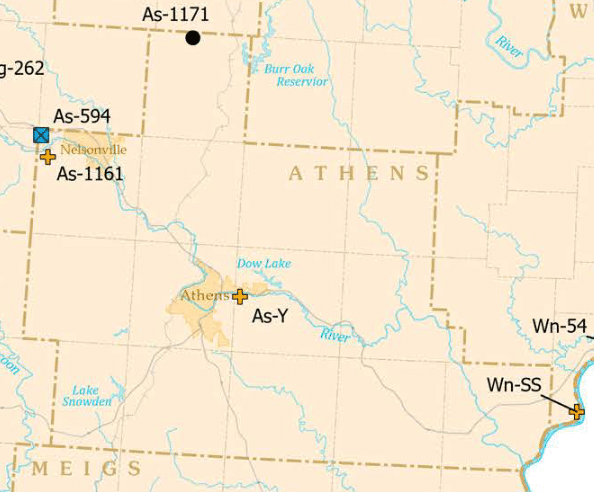
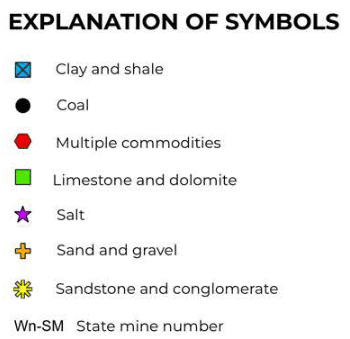
Screenshots from the 2024 Report on Ohio Mineral Industries showing the extent of mining operations in Athens County.
Locally and across the state, most mining operations are fairly lean in terms of employment despite extracting large amounts of material.
“You can have two workers that might be moving hundreds or thousands of tons per day in material,” Strucker said.
The Johnson Run coal mine
Of the state’s 88 counties, Athens County was one of seven that had an active coal mine in 2024, according to the report. The county was responsible for just over 3% of all coal produced in Ohio.
Contemporary coal mining in both Athens County and the state pales in comparison to mining operations in centuries past.
“It’s really just dropped off to where it’s incredibly low now, compared to what it has been,” Stucker said. “One hundred years ago, Athens County coal production was knocking in close to 7 million tons, which eclipses the … production for the entire state of Ohio now.”
Coal mining in Ohio has decreased as natural gas and oil production have increased, the report shows.
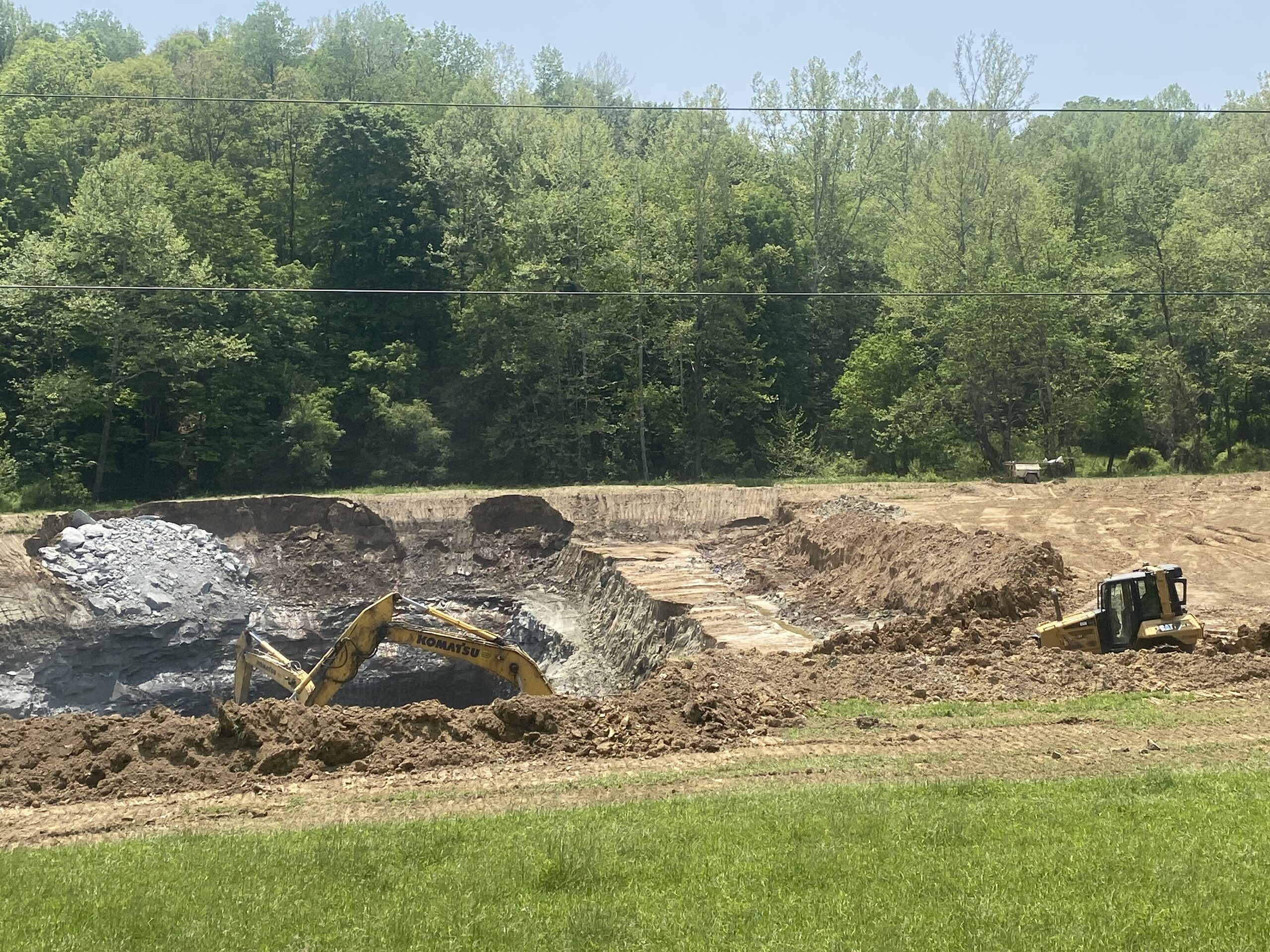
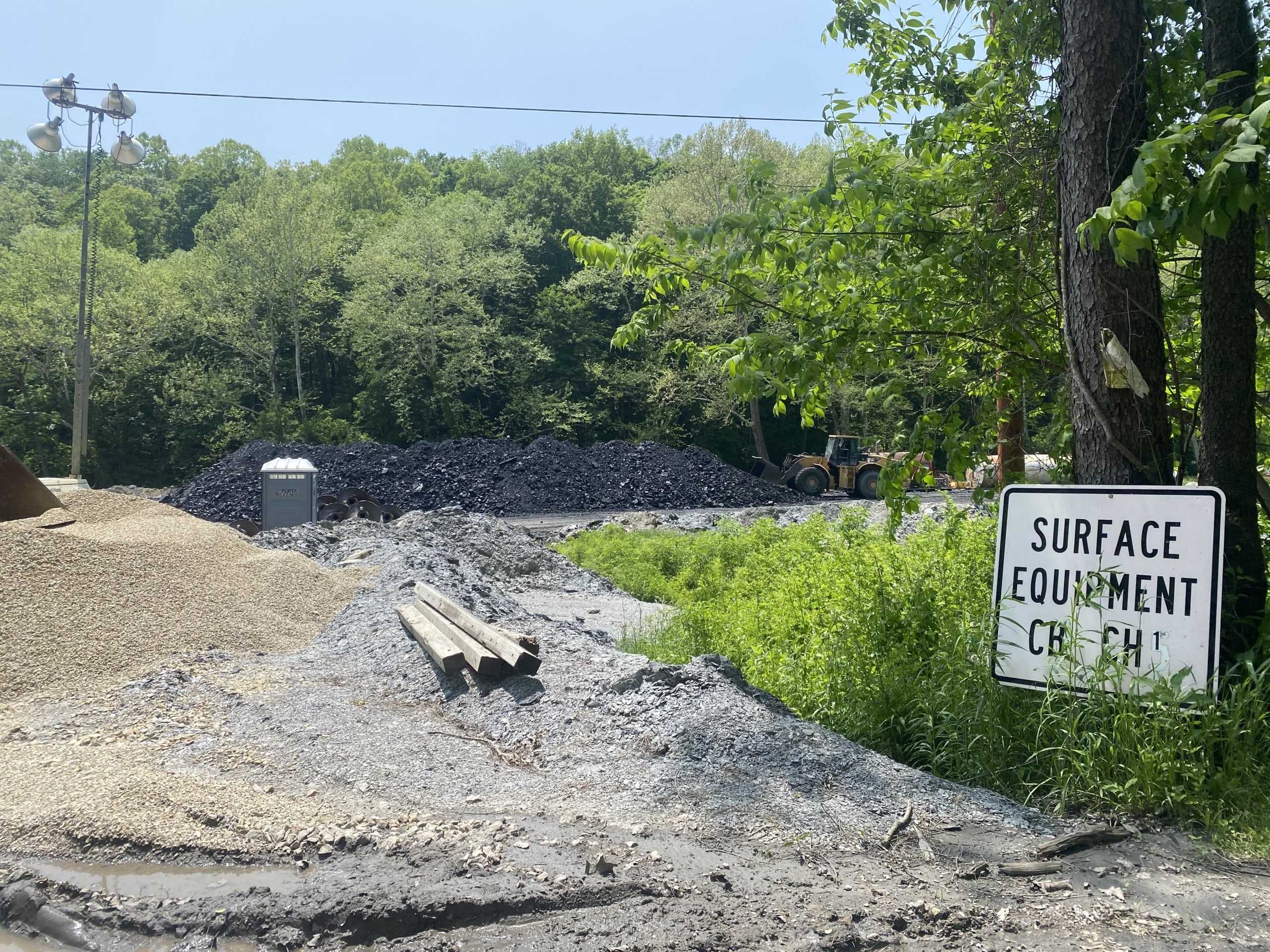
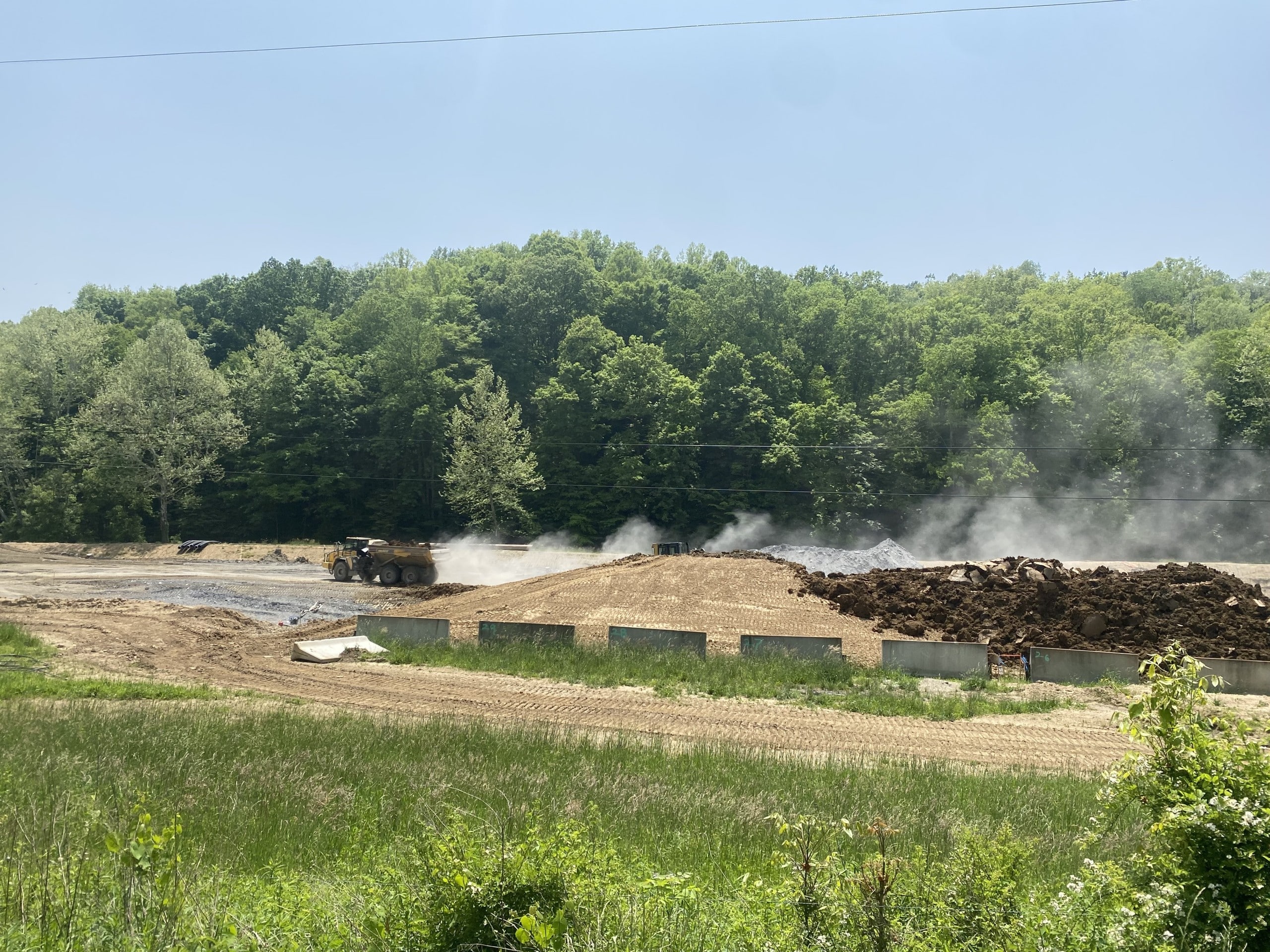
The Johnson Run Coal Mine, located near Athens County’s northernmost border, was the county’s only active mine in 2024. It is a surface mine, meaning coal is mined directly from the surface rather than from beneath the earth.
Last year, the mine produced nearly 59,000 tons of coal, which sold for an average of just under $38 per ton, about $9 less than the state average.
About half of the coal was mined directly from the surface via strip mining, and about half via auger mining, which involves boring into the side of an exposed wall.
The coal all came from the Middle Kittanning (No. 6) coal seam and was shipped via truck.
The report did not include the total number of people employed by the mine, though it brought just under $700,000 in wage and salary payments into the county.


Industrial minerals
Athens County’s other three mines — all grouped under the report’s ‘industrial minerals’ designation, which refers to nonmetallic and non-fuel rocks or minerals — employed a total of 18 full-time equivalent employees. That includes 10 production and eight non-production workers.
Two of the mines for non-industrial minerals are for sand and gravel. According to the report, sand and gravel are generally used for “asphalt, concrete, mortar, landscaping, roofing shingles, soil additives, and many other products.”
Both mines are located along the Hocking River. Stucker said it’s common for sand and gravel mining to take place along rivers due to a combination of geology and transportation requirements.
The two mines produced over 82,000 tons of sand and gravel last year, which was sold for road construction and resurfacing.
While Athens County’s share of sand and gravel production accounted for just a small sliver of the more than 30 million tons produced across the state, Stucker told the Independent that the operations are still important to the local economy.
“Everyone needs aggregate everywhere — sand and gravel and things for road construction, for building construction, for shoreline protection, for all kinds of different things. And so, even if you have a small, local source that maybe it’s a drop in the bucket when it comes to the overall statewide numbers, it can still be locally very important,” Stucker said.
That’s because the materials are sold at a very low cost per ton, Stucker said. The cost of transportation therefore has a major impact on the materials cost for buyers.
The other mine active in Athens County was a clay mine located near and named for Rumpke’s Athens-Hocking Reclamation Center. The mine sold 45,000 tons of clay last year, 8.5% of statewide clay sales.
All sales went to landfill use.