
ATHENS, Ohio — When hundreds of Ohio University students protested a then-proposed state law banning diversity, equity and inclusion programs at public schools, Shaelyn Clark was not among them.
“I did not participate in the protests that happened — I am always scared that the worst will happen,” Clark said.
Clark, a junior journalism major at Ohio University, is a self-identified queer woman. Clark is originally from northeast Ohio, moving to the Columbus area right before she came to college.
After facing backlash from her family about her sexuality, Clark said enrolling at Ohio University marked a new start on life.
“[I] love that about OU, it’s really easy to find someone and hear their story, hear their experience, offer my own and we kind of bond that way,” Clark said.
Clark especially clicked with Lloyd Sweeney, another LGBTQ+ individual who has been their roommate since freshman year. Both said access to resources at OU such as the Pride Center were transformative.
But the Pride Center and other DEI-based programs are no more. Earlier this week, web pages for multiple Ohio University programs — including the Office of Diversity and Inclusion, the Pride Center, the Multicultural Center and the Women’s Center — were taken down. Those pages now redirect to the university’s Make Respect Visible section.
That’s because of Senate Bill 1.
Among other mandates, the bill prevents state universities from offering scholarships or maintaining programs based on race, ethnicity or identity. Gov. Mike DeWine signed the bill into law on March 28; it takes effect Friday, June 27.

Losing those resources, and the national backlash against DEI programs and policies, is a blow to people like Clark.
“I do have the way I look and present myself, I can easily blend in and out of areas, but I know a lot of people who I am friends with, or family, and they don’t,” Clark said. “[DEI] just means that the people I love and care about will be safe no matter where we are.”
Not just Ohio University
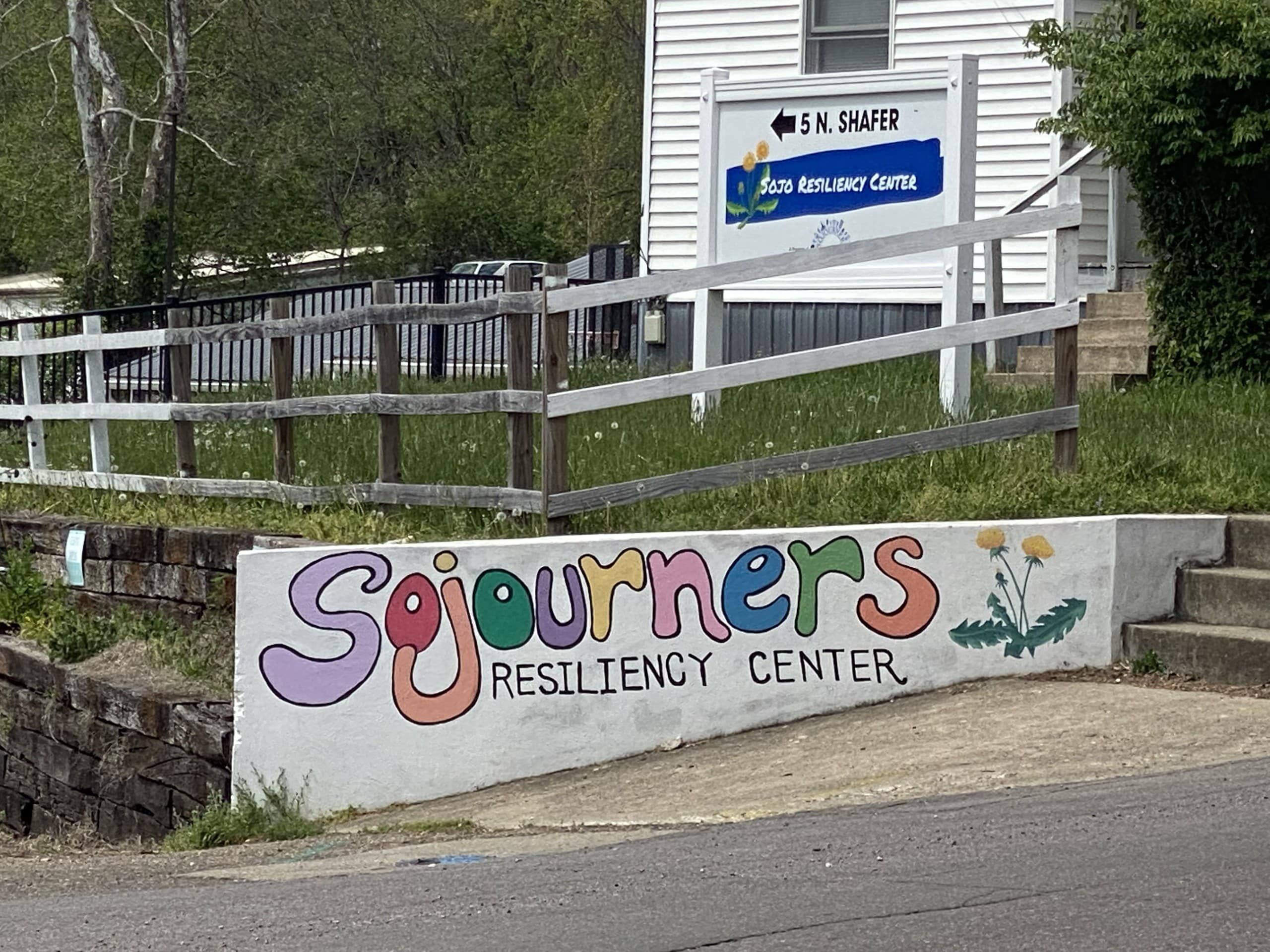
Founded in Vinton County in 1999, the nonprofit Sojourners Care Network has many different programs to address issues facing young people currently experiencing or at risk of homelessness, mental health issues, illiteracy and poverty.
Sojourners doesn’t have programs specifically for LGBTQ+ youth, but that population is frequently represented among clients because LGBTQ+ youth are at higher risk of homelessness.
“I’d say that the resiliency center is definitely a safe queer space,” said Hannah Allenson, director of the Sojourners Resiliency Center on Shafer Street in Athens.
However, anti-DEI initiatives at the state and federal levels are making it harder for the center to let people know that.
“I think it’s put us in a tough spot because the things that we want to promote, like diversity and inclusion and creating a safe space for queer youth are directly being targeted,” Allenson said.
The bigger risk is losing funding, said Joel Cheadle, street outreach coordinator for the Sojourners Care Network.
“I think the fear just comes more from the uncertainty and funding as a whole; our mission statement is to help these youth become healthy, productive adults,” Cheadle said. “I feel like with that mission statement, it’s hard to follow DEI rules and policies and regulations while maintaining that in the way we do.”
Consistent funding is important for the center’s day-to-day operations, Cheadle said. If funding is put at risk, they couldn’t continue to fulfill their mission.
“Funding is being slashed, (and) more and more people are becoming homeless, not just in Athens but in the counties surrounding it,” Cheadle said. “We need funding and less restrictions now more so than ever.”
Despite the risks, Sojourners continues to be a safe space for the LGBTQ+ community, Allenson said.
“We’re going to continue to be open and be a safe space for LGBTQ+ youth to come in and build community, get connected to other resources and get connected to other people that are also having the same fears right now,” Allenson said. “That’s not going to change.”

The community responds
In response to both national and state initiatives against DEI, local organizations are stepping forward to support area LGBTQ+ people.
On April 4, the Athens County Foundation launched the Athens County Pride Fund to provide resources to eligible nonprofit organizations and public entities that serve the local LGBTQ+ community. ACF is not affected by anti-DEI policies because it is not a government entity.
“Given the current climate, we recognize there are a lot of smaller community organizations, nonprofits and grassroots organizations doing work to support the LGBTQ+ community, and they will need more resources to do that work,” said foundation Executive Director Kerry Pigman. “Donors in our community really care about that, and creating the fund is a way to connect donors who want to invest in that work with organizations on the ground.”
The fund will form an advisory committee that will help shape the fund’s priorities and guide grantmaking decisions to ensure that the needs, voices and experiences of the LGBTQ+ community in Athens County are heard.
“It’s open to everybody, but we do want to make sure that the board has significant representation from the communities that the fund will be supporting,” Pigman said.
The City of Athens will continue to provide support for DEI-related activities, including this week’s Community Juneteenth Celebration and Pride Month events. The Athens Community Relations Commission will host Food For Thought Series events at the Athens Community Center on June 29, July 27 and Aug. 24, all Sundays, which aim to address anticipated gaps the closing university centers will leave.
“The City of Athens will continue to support existing DEIA initiatives and look to new partnerships with individuals and organizations to address the anticipated needs and to ensure this important work continues, in order to support all of the diverse citizens we serve,” City DEIA Coordinator Lacey Rogers told the Independent in May.
Although Clark moved away from Athens after graduating this spring, she wants to get involved in supporting the LGBTQ+ community.
“I want to continue being a safe space for the people who lose their other safe spaces,” she said. “I want to help out in any way I can.”