
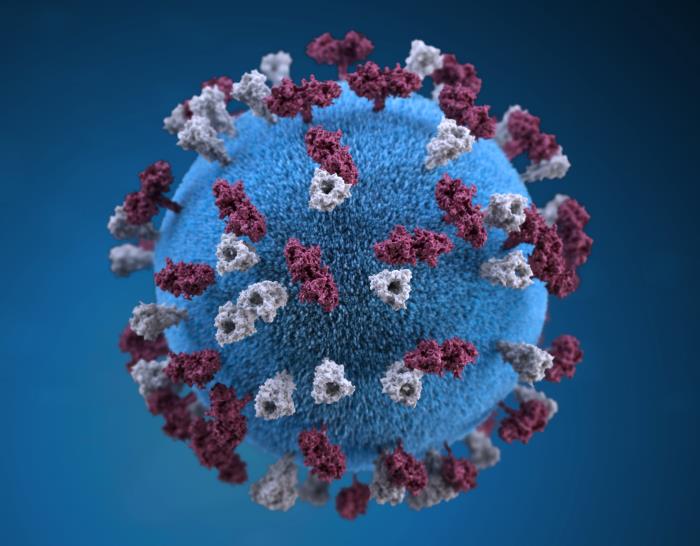
MEIGS COUNTY, Ohio — As of Aug. 17, four cases of measles have been confirmed by the Meigs County Health Department, which is now working with the Ohio Department of Health to track potential exposures.
A press release from the organization notes that measles is highly infectious. An infected person can infect others, even if they aren’t showing symptoms. The virus can survive in air for up to two hours after an infected person leaves a room. Symptoms of measles include high fever, cough, runny nose, watery eyes, and a rash which begins three to five days after other symptoms.
Generally, measles symptoms usually appear seven to 14 days after exposure, although it can take up to 21 days for symptoms to occur. About one in five people who catch the measles virus will be hospitalized with severe symptoms including pneumonia, severe dehydration and brain swelling, among others.
If you think you have been exposed to measles, you should contact your primary care provider for guidance, Jack Pepper, administrator of the Athens City-County Health Department, told Athens County Independent.
“If you suspect that you may have been exposed or have contracted the disease, you should put your provider on notice when you arrive that you think [you’ve been exposed to measles], because they’re likely to isolate you just because it is such a contagious disease,” Pepper said.
Concerned residents may opt to wear personal protective equipment if they are worried about exposure, Pepper said.
The Ohio Department of Health has recorded 29 cases of measles this month in northeast and central Ohio. The Meigs County cases had not been recorded at publication time. No other counties in Southeast Ohio had reported measles cases as of Aug. 20.
Vaccination prevents measles
In July Bruce Vanderhoff, the director of the Ohio Department of Health, encouraged the public to get the MMR vaccine in a press release following Ohio’s third measles outbreak this year.
“It’s unfortunate that these outbreaks have become more common in Ohio over the past few years, because this disease is preventable,” Vanderhoff said. “This serves to emphasize the importance of being fully vaccinated. I strongly encourage you to protect yourselves and your children by getting vaccinated.”
Measles poses additional risks for pregnant women, whose babies may be delivered prematurely or with low birth weight.
One of the primary ways to protect oneself against measles is to get vaccinated. The MMR (measles, mumps and rubella) vaccine is usually given in two doses to children and is 97% effective in keeping a person illness free for life.
“That’s our number one recommendation, is to get the vaccine,” Pepper said.
Those looking to get the vaccine should contact their primary care provider or local health department. Pepper said the Athens City-County Health Department will administer the vaccine to those without insurance or with poor insurance.
“We do not turn people away, so you can call us anytime, and we will get you taken care of,” Pepper said.
About 3% of people vaccinated still contract measles, mumps or rubella, but their symptoms are usually mild, according to Yale Medicine. The U.S. Centers for Disease Control recommends that adults receive at least one booster dose of the MMR vaccine. Some adults should receive a second dose, including:
- Students at post-high school educational institutions
- Healthcare personnel
- International travelers
- Adults who are household contacts or other close contacts of people who are immunocompromised
- Adults living with HIV who are not severely immunocompromised
- Groups at increased risk because of an outbreak
Measles infections declined steadily following the introduction of a measles vaccine in 1963. Up until about 2019, the vaccination rate among U.S. kindergarteners was above 95% — the threshold for herd immunity. Increasing numbers of states added exemptions from vaccination for school entry, however, and vaccination rates began to fall. Vaccination rates have continued to fall, dropping to 92% for the MMR vaccine for the 2025–26 school year.
The decline in vaccination rates has coincided with a resurgence in measles outbreaks.
