
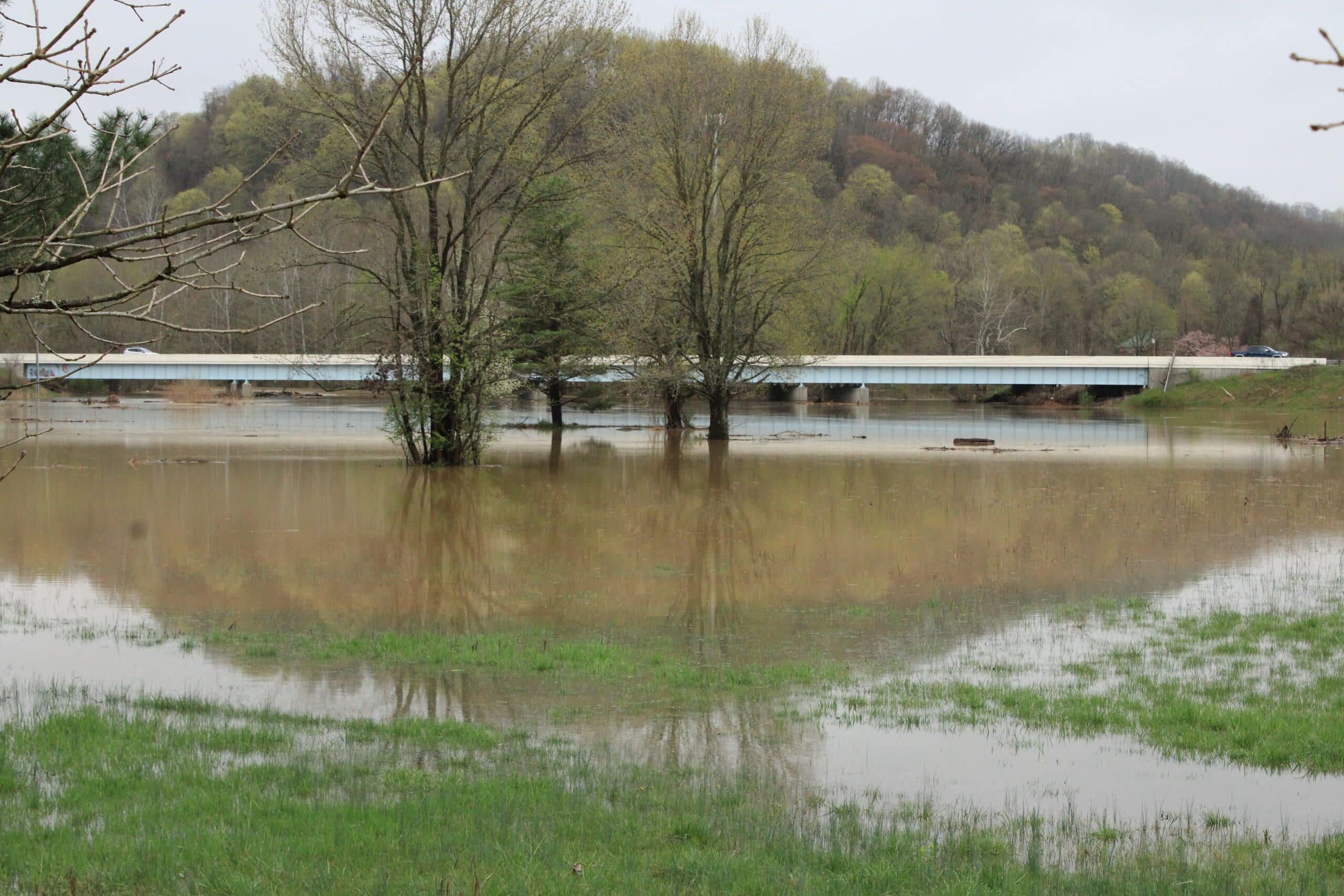
ATHENS, Ohio — Mosquitos have proliferated in Athens County in recent weeks after repeated flooding this summer and high temperatures created ideal conditions for the pests, increasing the risk of mosquito-borne illnesses.
Normally, Athens County receives a little over 3 inches of rain on average in September according to the. The county was hit with nearly 4 inches of rain between Sept. 20 and Sept. 22 alone, according to the National Oceanic and Atmospheric Administration.
That wasn’t the only time the county saw a month’s worth of rain fall all at once this summer. Athens usually averages about 3.3 inches of rain in August; the county experienced nearly 3.5 inches of rain Aug. 11 and 12.
Certain mosquito species have evolved to take advantage of flood conditions. The Northern House mosquito lays eggs in temporary shallow pools that form after rain, and the Inland Floodwater Mosquito lays drought-resistant eggs, according to the Summit County Public Health Department.
“[Certain mosquitoes] lay their eggs above a waterline,” said Patrick McGarry , the director of environmental health with the Athens City-County Health Department. When waters are below a flood stage, McGarry said, “those eggs lay dormant for months, if not years. Once you get a heavy flood, those eggs will hatch out, and then you have that brood of mosquitoes that previous summer you did not have.”
Fortunately for local residents, Northern House mosquitoes are not known to carry diseases harmful to humans. However, there have also been an increasing number of disease-carrying mosquitoes, too.
“There’s mosquitoes that we did not see 25 years ago that we’re seeing relatively common now, and that’s concerning because some of those mosquitoes that we’re now seeing, they have the potential to carry some more dangerous diseases,” McGarry said.
Diseases like Zika Virus and West Nile Virus can be deadly to humans, and they’re a major source of concern for the health department. Director McGarry said the department constantly monitors the spread of species and diseases through their surveillance programs and by watching neighboring regions.
Mosquitoes aren’t the only potential insect hazard following flooding, McGarry told the Independent in September.
“We have seen a major uptick in our tick populations and species that we didn’t see initially that we are seeing now.”
McGarry said that he is particularly concerned about the population of Asian Longhorn ticks, which target livestock, wildlife and humans, and can spread a flu-like virus and Lyme disease. These ticks spread exceptionally fast due to their rare ability to reproduce asexually.
McGarry said that climate change is likely responsible for the increase in disease-spreading insects.
“We are getting more severe rain events, which is causing the flooding, which has been causing those mosquito broods to hatch out,” McGarry said.
The best way to protect against diseases and irritation by seasonal pests is prevention. Empty stagnant pools of water as soon as possible to eliminate mosquito larvae, and keep grass mowed to avoid tick colonies. Insect repellents such as permethrin and natural botanical repellents, like eucalyptus oil, can prevent bug bites.
McGarry said his staff uses permethrin, which is used to treat clothing.
“Once permethrin dries on the clothing, it’ll stay there for typically at least four weeks to six weeks, and that’s a very good natural repellent,” McGarry said.
