
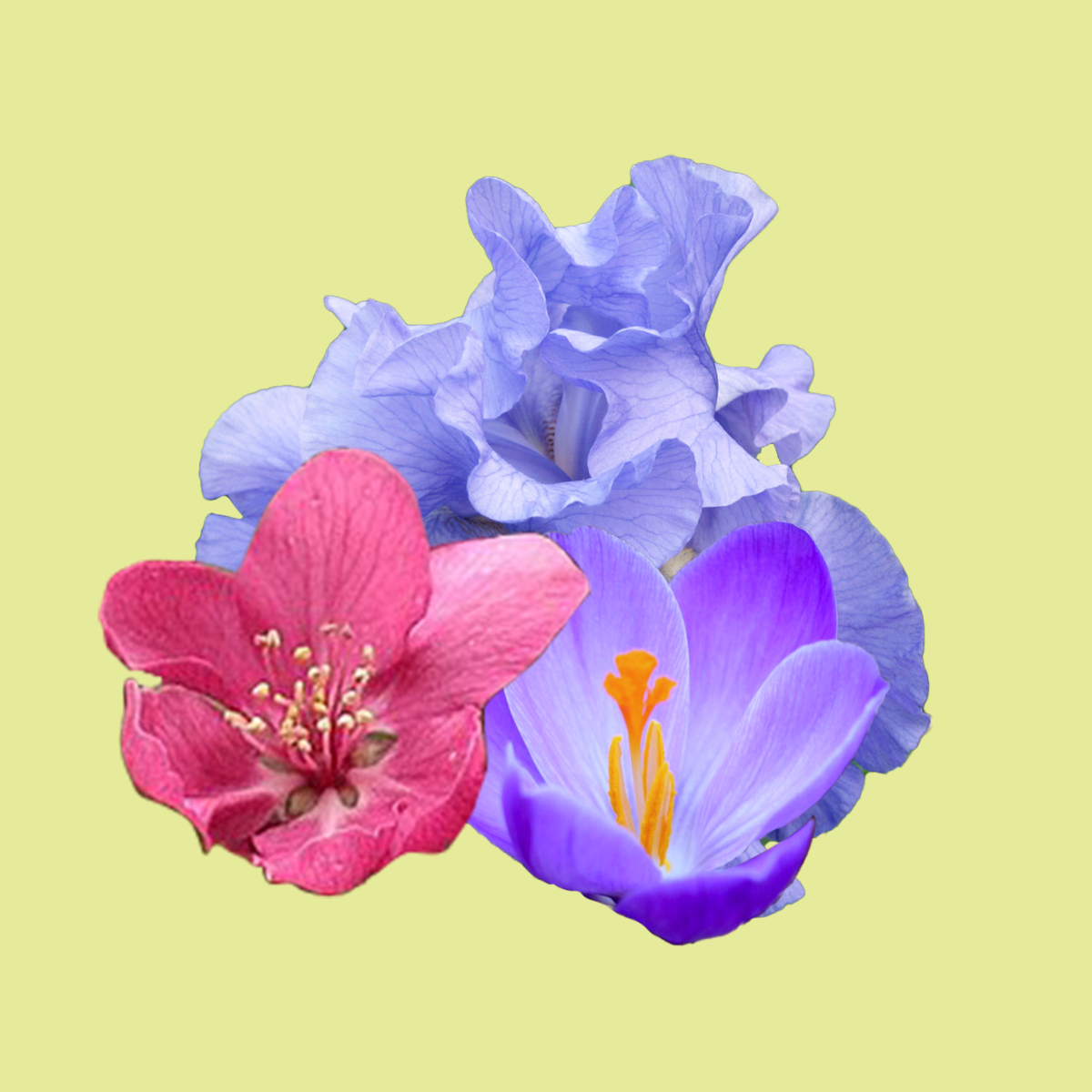
ATHENS, Ohio — Unseasonably warm fall weather brought an unusual sight to yards and forests of Southeast Ohio this October: spring flowers.
Rebecca Snell, a plant biology researcher at Ohio University, told the Independent that several plant species are blooming out of season partially as a result of climate change.
“Plants use environmental cues to figure out the seasons,” Snell said. “[Plants] use temperature to figure out, ‘oh, it’s getting warm; it’s time to flower.’”
Snell said that cold temperatures followed by warm temperatures is often a signal of spring to plants. Ohio saw its first frost warning in mid-October, with the last week of October reaching daily high temperatures in the 60s and 70s, according to the Scalia Laboratory for Atmospheric Analysis.
Statewide temperatures were about 5 degrees Fahrenheit warmer than average, according to the State Climate Office of Ohio.
However, not every species bloomed again because of higher temperatures this fall.
“There are other plants that use a combination of temperature and day length [to determine when to bloom],” Snell said. “These plants are the ones that are receiving the cue that it got cold and then it got warm, but since days are getting shorter it doesn’t trigger flowering for them.”
“There are other plants that use a combination of temperature and day length [to determine when to bloom],” Snell said. “These plants are the ones that are receiving the cue that it got cold and then it got warm, but since days are getting shorter it doesn’t trigger flowering for them.”
Gardeners with violets, irises, or crabapple in their yards might be worried because their plants just bloomed out of season –– Snell told the Independent that in the long run, these plants will likely be okay.
“It’s not going to kill the plant,” Snell said. “The only thing that you might notice is that in the following spring, there might be less energy available because the plant used up some of it for flowering.”
Snell said this effect would likely apply to all the plants which flowered early, meaning this spring might have less blooms than usual.
Fall heatwaves and their counterpart, spring cold snaps, are nothing new. However, these events are starting to occur more often due to climate change, and the long-term impact of repeated cold snaps and fall blooms are unknown.
“These sorts of things happen once every couple years now,” Snell said. “Because of climate change we’re getting more unusual weather. It might be something that happens more frequently — and if it’s happening a lot, it might be a problem.”
Snell told the Independent that spring freezing and its impacts have been studied extensively by plant biologists. However, more research needs to be done on fall blooming and its connection to climate change. Research published in Nature found that “temperature flips” have become more frequent across the world and will begin to impact more regions as a result of climate change.
“When you look at over the last 30 to 40 years, spring [blooms] have shifted earlier,” Snell said. “We have earlier spring flowering and leafing out, followed by a higher likelihood of a random late frost.”
