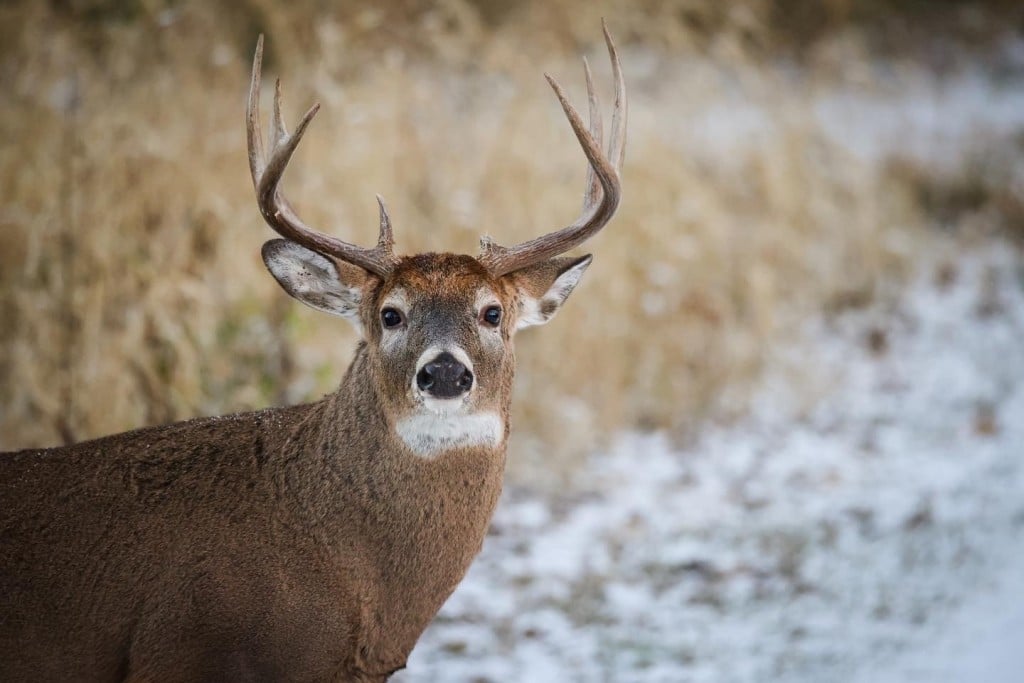
ATHENS COUNTY, Ohio — Amid an ongoing outbreak of deer disease, the number of deer checked during the first six weekends of bowhunting season in Southeast Ohio this year was substantially lower than in years prior.
According to the Ohio Department of Natural Resources data released Nov. 4, Washington County saw the greatest reduction in the deer harvest this season, with hunters checking less than 15% of the three-year average for the time period. Athens County hunters have checked less than a quarter of the three-year average; Morgan County hunters checked just under 30%, and Meigs County hunters checked just under a third.
The 2025–26 statewide archery season began on Sept. 27 and continues through Feb. 1, 2026.
The counties with the lowest hunting numbers are also the counties whose deer populations have been most affected by this year’s regional outbreak of Epizootic Hemorrhagic Disease, which experts and hunters have described as unprecedented.
Spread by small insects called midges, EHD is fatal to most deer who contract it. The disease, prevalent annually in the southern United States, has been spreading north as a result of climate change. Deer in Southeast Ohio do not have immunity to the disease, unlike their southern counterparts.
Mike Rex, chair of the Ohio Wildlife Council, told the Independent in an interview that the lower deer harvest during bowhunting may stem in part from fewer people hunting this year over concerns for the deer population, and because “they know there are fewer deer.”
The decline in harvest aligns with the decline in deer populations in Southeast Ohio, Rex said.
As of Oct. 28, Ohio had 9,222 reports of dead or sick deer – substantially more than the state has previously recorded.
Those illness and death reports can be largely attributed to EHD, ODNR Division of Wildlife biologist Clint McCoy said at a Sept. 17 Ohio Wildlife Council meeting.
Over 55% of reports have come from Athens, Washington and Meigs counties.
In response to the outbreak, the ODNR Division of Wildlife has proposed reducing the deer bag limit for each hunter from three to one in those counties, and from three to two in Morgan County, which saw the fourth most reports in the state.
According to Rex, hunters who have already tagged one or more deer in Athens, Meigs and Washington counties by Dec. 1 will have reached their limit when the new rule goes into effect; hunters who have already tagged two or more in Morgan County will have reached their limit.
The Ohio Wildlife Council will vote on the proposal at its 6 p.m. meeting Wednesday, Nov. 12 in Columbus. The change would take effect Dec. 1.
The Division of Wildlife initially proposed reducing the bag limit from three to two in Athens, Meigs and Washington counties with no proposed reduction in Morgan County. The proposal was revised in response to public feedback.
Rex said he is confident the Ohio Wildlife Council will approve the updated proposal.
“I know a lot of folks wished it could have happened sooner,” Rex said. He added that the changes will take effect in time for deer gun season, “which is probably the one week of the year where the most deer are taken during a hunting season.”
At the Sept. 17 Ohio Wildlife Council meeting, over 100 people gathered in the ODNR offices in Athens, with speakers expressing concern for the long-term impact of EHD on the region’s deer population. Multiple hunters said they intended to skip or reduce hunting this year, and some suggested cancelling the hunting season or only allowing buck hunting, to support population rebound.
All who spoke either supported the initial Ohio Wildlife Council proposal, or raised concerns that it didn’t go far enough.
Multiple Ohio Wildlife Council members said at the meeting that public input affected their view of the situation and proposed regulation.
Rex said that although the Division of Wildlife’s revised proposal does not go as far as some at the Sept. 17 meeting would have liked, he believes it is sufficient.
He added that because the current EHD outbreak is unprecedented, it is difficult to know how exactly to respond in a way that addresses the situation without constituting overreach.
Hunting restrictions apply to each county in its entirety. Although all of Washington County has been significantly impacted by EHD, Rex noted that some areas in Athens, Meigs and Morgan counties were hit much harder by EHD than other areas.
“Cancelling the season would have been probably overreach, maybe a little too steep,” Rex said.
The long-term effect on deer populations as a result of the outbreak remains unclear, Rex said.
Members of the public may comment at the Ohio Wildlife Council meeting on Wednesday, Nov. 12, and must register to do so by 5 p.m. Monday, Nov. 10.
Note: This story has been updated since initial publication to include clarification from Rex on how hunters who have already tagged one or more deer by Dec. 1 would be impacted by the proposed rule change.