
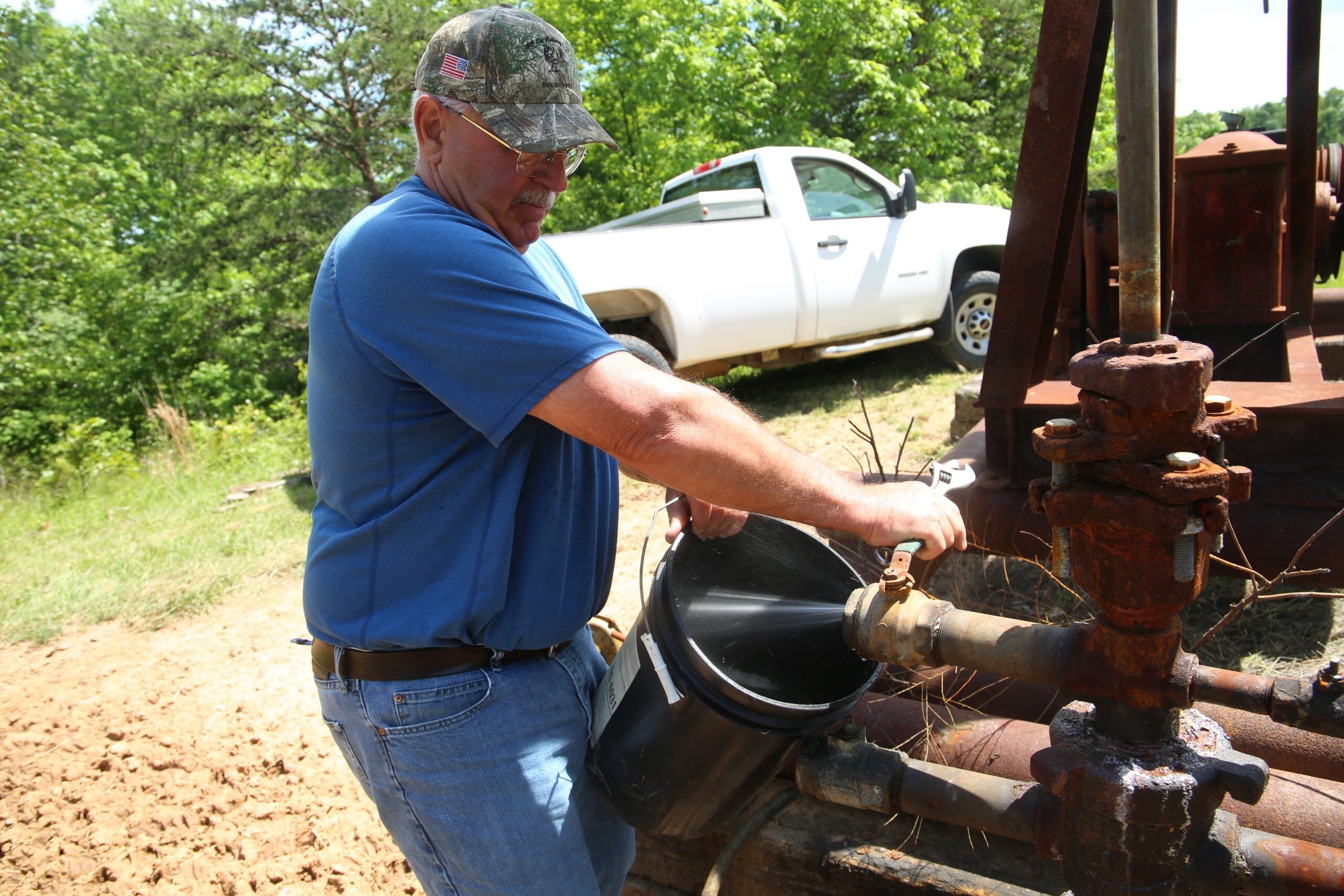
WASHINGTON COUNTY, Ohio — Four Washington County fracking waste injection wells have ceased operations following a request from the Ohio Department of Natural Resources Division of Oil and Gas Resources Management, according to a statement from ODNR.
“On July 1 and 2, the owners of the wells agreed to voluntarily cease operations after the division notified them that their class II injection wells were suspected to be causing impacts to other nearby wells that produce oil and gas,” reads the statement shared by ODNR Chief of Communications Andy Chow.
The four wells include the Redbird No. 4 in Dunham Township, a well the ODNR previously found had been leaking injection fluid. The nearby Redbird No. 5 well also ceased operations, as did the Nichols No. 1 in eastern Dunham Township.
The other well that ceased operating is the American Growers No. 1 well, located in Marietta Township, just outside the city of Marietta along the Ohio River. The well is over seven miles from the Nichols well, and nearly 12 miles from the Redbird wells.
The four wells were shut down voluntarily, which has prompted questions from local activists about what comes next. Bev Reed, the Appalachian community organizer of the Buckeye Environmental Network, told the Independent that this raises concern about the impact of injection wells on local aquifers and permits for other nearby injection wells operated by these companies.
“The voluntary part is definitely concerning, and it leaves a lot of questions,” Reed said. “We formally requested a meeting with ODNR, hopefully we can get some more answers.”
While the wells are shut down, “the well owners and the division will work towards a plan to address the issues,” the ODNR statement says.
The statement also noted that in previous instances in which injected fracking waste migrated beyond permitted boundaries, the ODNR has never found an impact on area drinking water, despite commissioning independent studies.
Reed told the Independent that ODNR has not done its due diligence in investigating if drinking water has been impacted by injected fracking waste.
“[ODNR] haven’t done any long-term studies to find out if that’s actually true or not,” Reed said. “What they need to do is take on a massive study of the entire county and a certain range of injection wells, probably up to eight miles away from an injection well because we’ve seen [injection waste] migrate over five miles.”
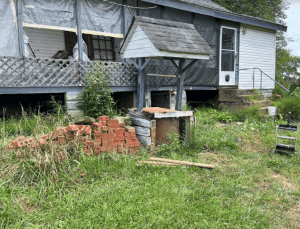
Reed said that the Buckeye Environmental Network is working on its own water sampling project to determine if any local water wells have been contaminated by injected waste.
“We’re basically doing ODNR’s job for them to check for that contamination, but they need to do it themselves too,” Reed said.
Previous ODNR orders suspending fracking waste injection wells have warned of danger to drinking water.
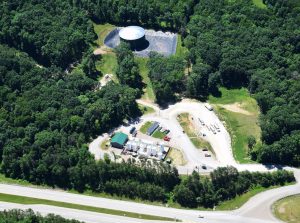
“The division is working on a contract to have a third-party consultant conduct a study of the private water wells near the impacted production wells in Washington County,” the division’s statement said.
The ODNR concluded in a 2020 study that the Redbird No. 4 well was responsible for reports of impacts on oil and gas production wells in 2019. The ODNR found that fluid from the well had migrated more than five miles underground.
ODNR says in its webpage on the findings that the Redbird well operators took steps to correct the problem by sealing off the Ohio Shale geologic formation in 2020. The ODNR allowed the well to continue operations thereafter.
However, oil and gas producers in the area have continued to argue for years that their wells have been affected by the underground migration of fracking waste injection fluid.
“ODNR gave them permission to [drill deeper] in 2020, and the problem did not cease,” said Reed. “That was six years ago, has this problem just been exacerbating for six years under ODNR’s watch?”
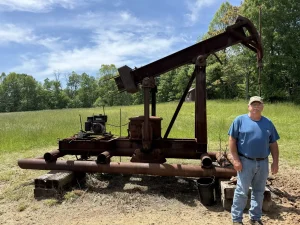
Another well that ceased injection this month, the American Growers No. 1 well, is owned by an operator that has faced years of scrutiny from local activists, producers, and public officials.
Deeprock Disposal Solutions LLC, a company connected to Ohio Senator Brian Chavez, owns the well. Local activists filed a draft ethics complaint against Chavez earlier this year, alleging he fast-tracked legislation related to fracking waste injection that would financially benefit his family and did not adequately disclose financial ties, including ongoing ties to Deeprock.
The Joint Legislative Ethics Commission did not immediately take up the complaint, and any further investigation of the claims would not be subject to public records laws.
The company has also faced legal challenges over more recently permitted wells in Washington County, over concerns that the wells were permitted under outdated regulations.
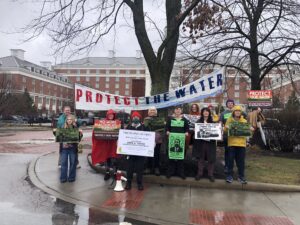
A press release from the Buckeye Environmental Network credited the work they’ve done alongside the City of Marietta, Washington County for Safe Drinking Water, the Earthjustice law firm, local oil and gas producers and local water authorities for pushing ODNR to take action on injection wells.

