
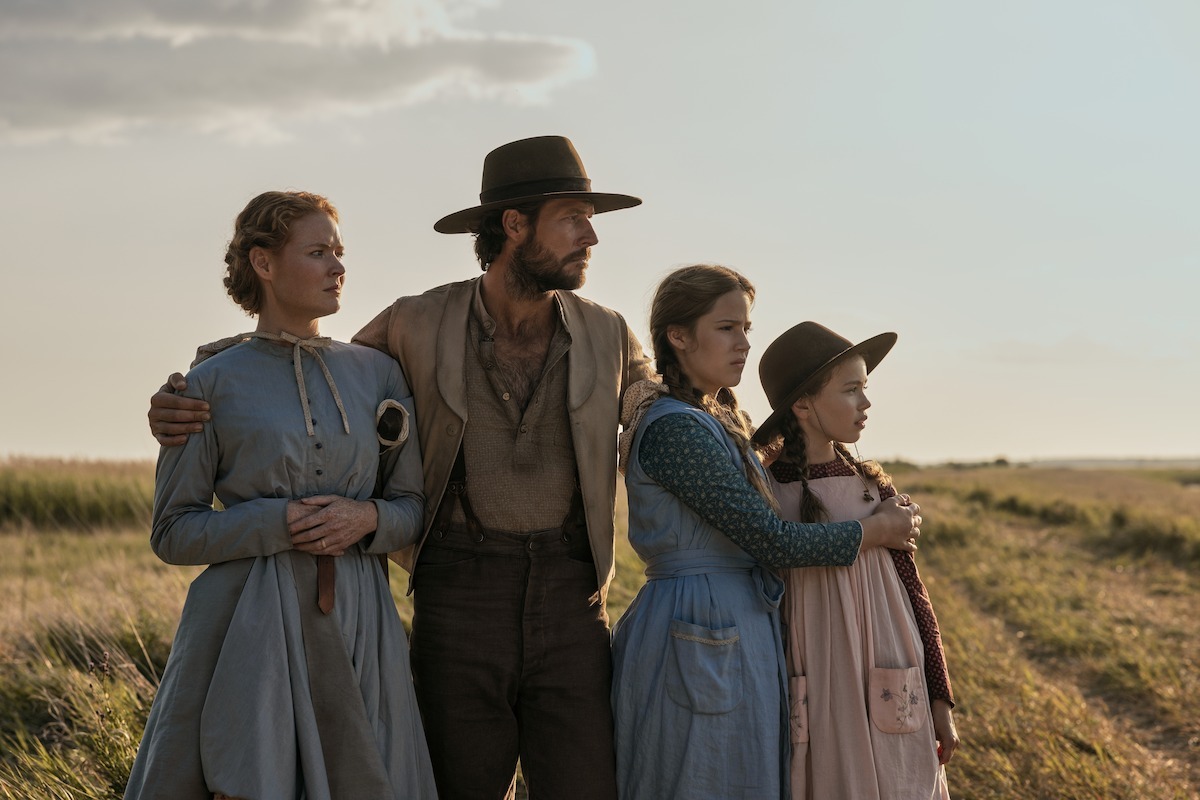
ATHENS, Ohio — The recently released Netflix adaptation of “Little House on the Prairie” revisits Laura Ingalls Wilder’s frontier stories while taking the familiar material in new directions.
Local author and Ohio University associate journalism professor Kelly K. Ferguson has written extensively about the books’ author. She spoke with the Independent about how the new streaming series connects to and differs from the books and prior adaptations of the material.
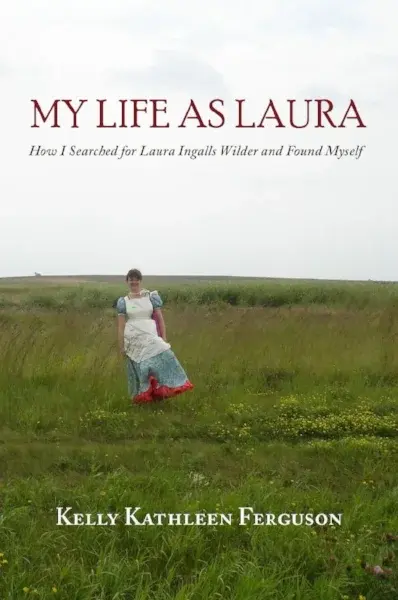
Ferguson grew up reading the “Little House” books and watched the 1970s television adaptation as it aired. As an adult and academic, she studied creative writing and in 2011 authored “My Life as Laura: How I Searched for Laura Ingalls Wilder and Found Myself,” a memoir wherein Ferguson retraced Wilder’s “pioneer journey.”
“I think [the Netflix show’s creators] did a good job of kind of bringing ‘Little House on the Prairie‘ into 2026,” Ferguson said. “They’re trying to be true to the spirit of the books while trying to expand the narrative.”
Wilder’s “Little House” stories, like the new Netflix series, explore family ties, love, and loss amid displacement and violence of frontier settlement, largely seen through the perspective of a child.
One of the most significant changes from the source material is the new series’ expanded portrayal of Indigenous characters, including an Osage family, Ferguson said.
Wilder moved her fictional character to the frontier after real Indigenous peoples had been forcibly relocated amid white Western expansion, Ferguson said. Ferguson was initially concerned that by including a Native narrative, the new series might indulge in violent scenes or reduce its Indigenous characters to a token presence, but came away impressed by the research and consultation involved, including the on-screen use of Osage language, she said.
In the books, the protagonist’s family is treated for malaria by Dr. Tan, who is Black, and in the new series, the character receives what Ferguson sees as a through-line rather than out-of-nowhere representation.
The focus on people of color in a limited series about a white family helps build the universe of the story, including interesting extensions on themes and characters, Ferguson said. The creators adapted the material and built on it for a contemporary modern family audience, she said, which looks different than it did in the past.
Additional changes include the series’ polished take on frontier aesthetics — the set’s tidy cabin isn’t realistic, Ferguson said, and the actors’ costumes depict “cottagecore” style, not necessarily what a frontiersperson would actually have worn.
The series’ characters have experiences that are not considered canon, or seen as authentic to the writer’s work, Ferguson said. She believes viewers whose primary connection to “Little House” is the 1970s television series may have to adjust to a different interpretation.
“I was a real show hater,” she said. “[Watching the 1970s series], my idea of the books was completely kind of thrown out.”
That history makes her less concerned about changes in the new adaptation.
“It’s already a television show, and already not being the original,” Ferguson said. “Why not expand?”
Additionally, she appreciates that the new series offers families an alternative to the violence common in much contemporary television. The Osage family, for example, is seen struggling to consider a land contract as the show depicts the removal of the Indigenous population.“It was just kind of nice to watch people have human struggles that don’t have to end with people getting gutted and eviscerated,” she said.
Since writing her 2011 memoir, Ferguson has extended her research to focus on Wilder’s daughter, Rose Wilder Lane. A thought leader and prolific writer in her own right, Lane traveled extensively before returning to her mother’s Missouri farm, Rocky Ridge, where she helped shape the books.
Learning more about Lane, she said, complicates the perception that Laura Ingalls Wilder was the sole creator of the “Little House” stories.
“The wizard behind the curtain was Rose Wilder Lane, to some degree,” Ferguson said.
