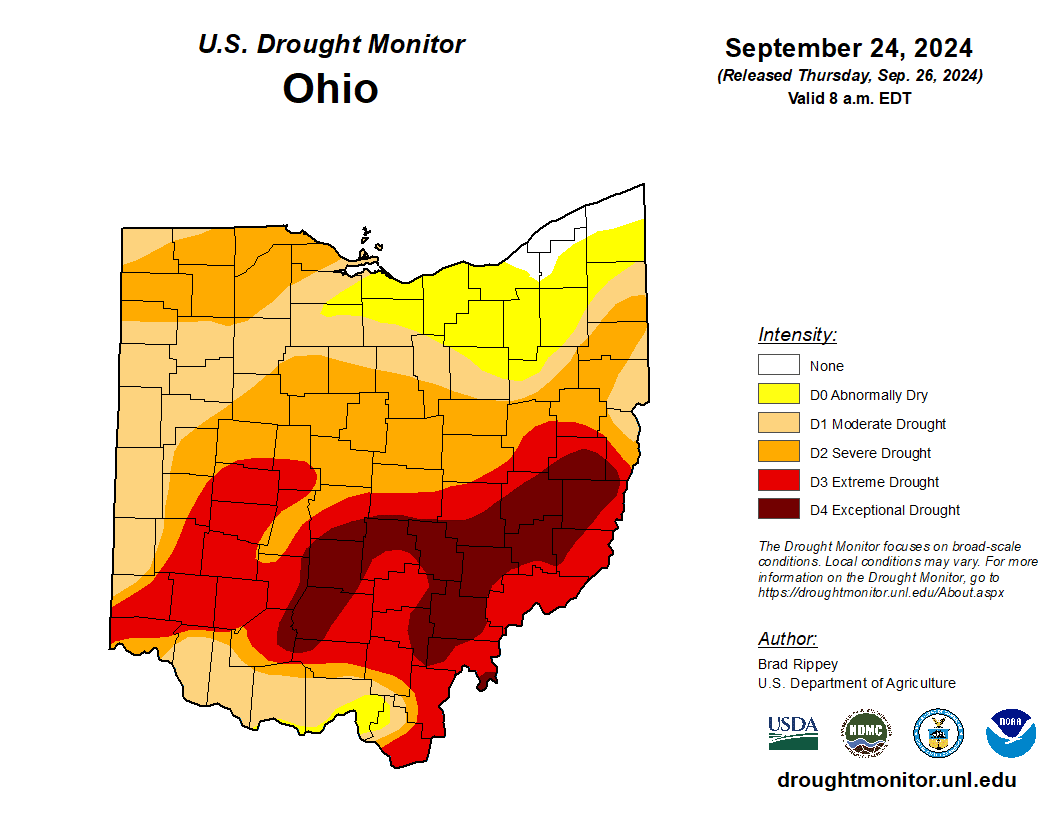
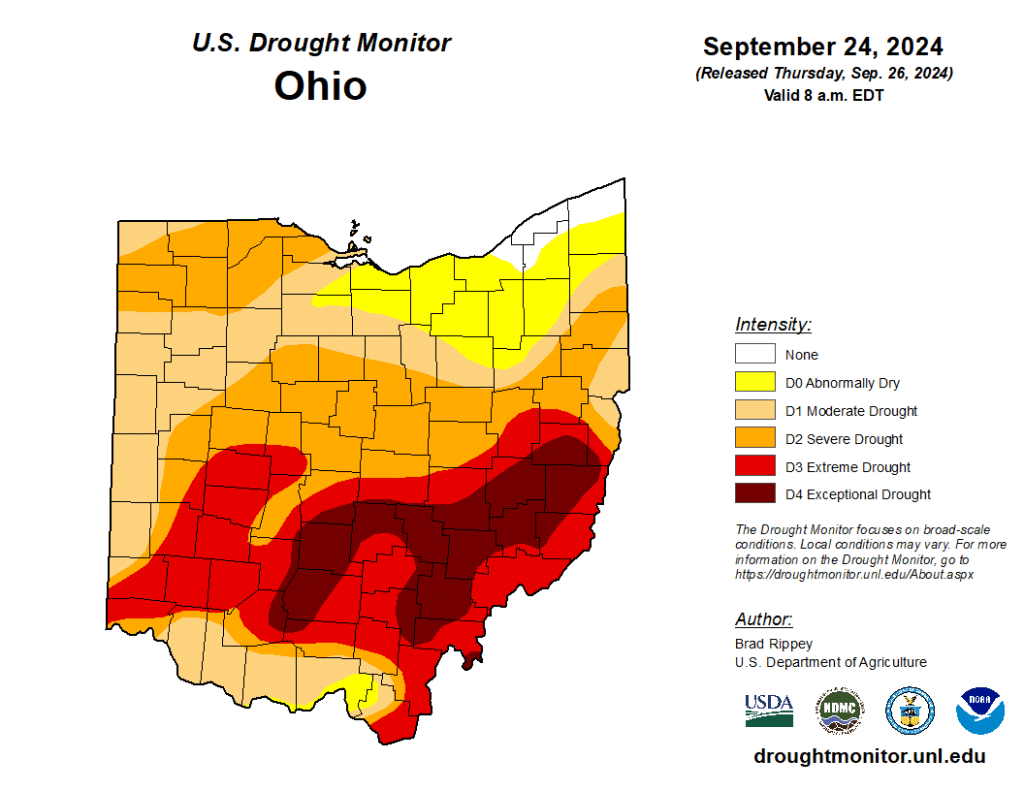
ATHENS, Ohio — The last several days of rain has not been enough to relieve extreme drought in Athens County, which has received less than half the usual rainfall this summer.
The Scalia Laboratory for Atmospheric Analysis at Ohio University has recorded 2.48 inches of rain so far this month, director Ryan Fogt told the Independent. Normally, September rainfall is in the 3 to 3.5 inches range.
“Even if we got another inch of rain, we’d just be at normal for this month,” Fogt said. “That doesn’t make up for the lack of rain we had in July and August.”
According to National Weather Service data, the Athens area averages 19.4 inches of rain between May and August. In that period this year, only 7.3 inches of rain were recorded.
The rain now moving through much of the region is a result of a stationary front: two masses of air — one warm, one cold — colliding very slowly, Fogt explained. Rain early last week was caused by a weather front that lowered regional temperatures, he said.
“We had a 90 degree day on Sunday and now we are now down into the upper 70s and lower 80s for much of the week,” Fogt told the Independent on Friday. “[The front] stalled as it moved across Ohio and has now become a stationary front along the Appalachian mountains.”
Athens County is at the very northern edge of this stationary front, so we have received a fraction of the rain West Virginia got. Drought conditions in West Virginia drought created very dry soil that can’t properly absorb the rainfall, leading to flooding. When Hurricane Helene arrived, West Virginia Gov. Jim Justice declared a state of preparedness for 22 counties.
“They’ve had problems with [flash flooding] in West Virginia because they’ve had a lot more rain,” Fogt said. “Thankfully, we haven’t had too many heavy downpours. Our rains have been slower and gradual, giving more time for the soil to absorb moisture.”
While it is too late in the season for many fall crops to benefit from the rain, Fogt predicts that wild plants will take advantage of the moisture brought by the rain.
“We should see some benefits from this rain for trees,” Fogt said. “Even if trees have lost their leaves, if they are still alive, they’ll be taking in this moisture in their roots. That should help them regrow and replenish from the moisture loss they’ve experienced.”
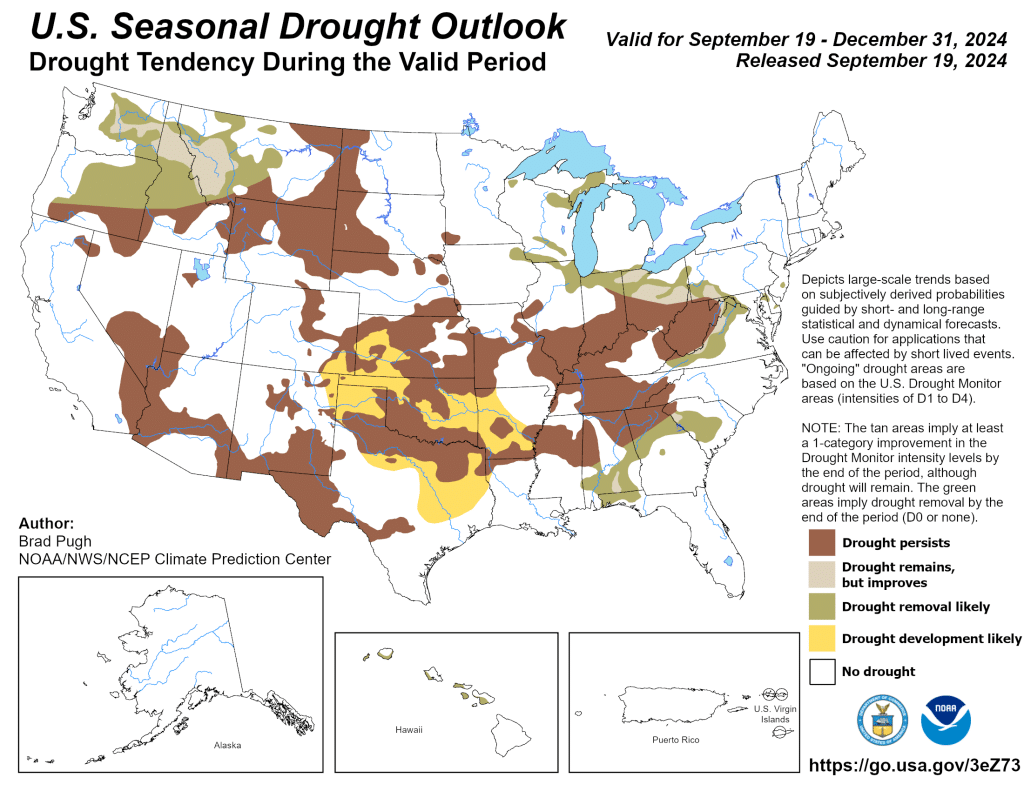
Unfortunately, the U.S. Drought Monitor and Climate Prediction Center both project continued drought into winter. Barring another tropical storm, Fogt said that winter could end the drought.
“Winter could provide hope if we have more rain than snow,” Fogt said. “That has been our trend for the last few winters. That could provide more moisture and help us come out of the drought.”