
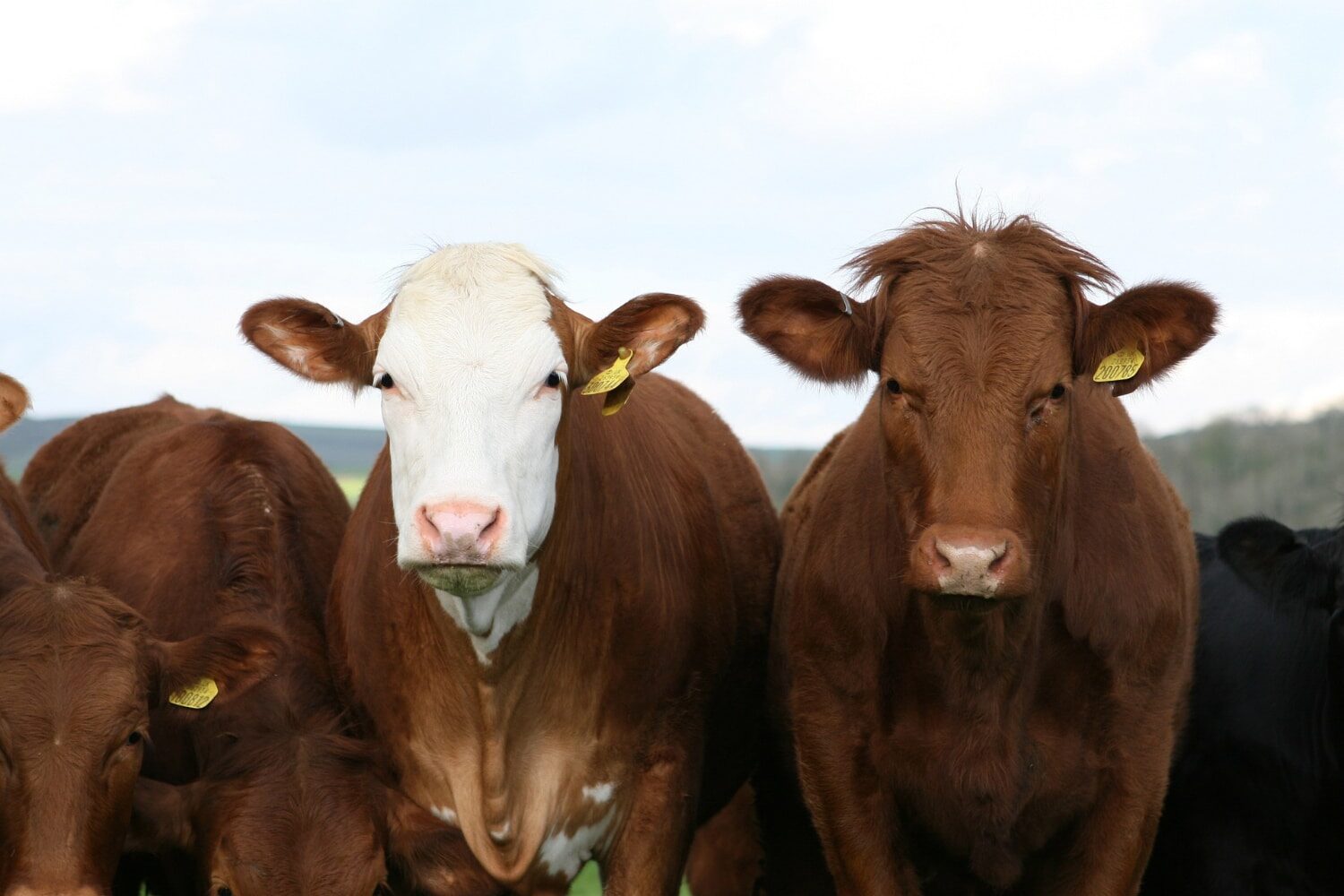
STOCKPORT, Ohio — Pete and Marjie Shew have raised grass-fed beef on their 136-acre farm in Morgan County for over 40 years, feeding multiple generations of southeast Ohio residents and becoming a cornerstone of the local community.
Now the Shews are retiring and handing the reins to another local farmer: MoSo Farm announced earlier this month that they will be taking over as the owners of Shew Family Farm over the next year.
“We have a big legacy to carry on, and I feel honored that the Shews trust us to do it,” said CJ Morgan, who co-owns MoSo Farm with his wife, Molly Sowash. “In our email, our little pun we made is we have big Shews to fill. So it feels like there’s a lot to live up to there.”
Marjie Shew told the Independent that she is glad they could sell the farm to a local farmer who will keep the business going.
“It’s huge for us because it means we don’t have to sell it to some guy from Cleveland that’s going to move in and put up a cabin for hunting and be there for three weeks out of the year,” Marjie Shew said. “It’s huge that we could sell it to someone that’s going to maintain and use it.”
The Shews have been involved in the story of MoSo Farm since it was first established. Pete Shew taught Sowash how to load cattle for transport and offered Morgan and Sowash advice over the years.
“It’s as close as we could get to having kids take over the farm,” Marjie Shew said.
Grass, calves and the future
The deal couldn’t have come at a more convenient time for either set of farmers. MoSo Farm has been on the market for more land, even renting some acreage this past fall. Meanwhile, prices for calves have skyrocketed because of persistent drought in the Southwestern U.S. and the closure of cattle crossing at the Mexican border to fight New World Screwworm, a parasitic insect that targets a variety of animals.
“When we first started buying calves five plus years ago they cost maybe $800 a piece,” Morgan said. “They’re sold by the pound, we were paying $1.67 a pound for a 500-pound calf. This past fall, a 500-pound calf was selling for $4 a pound.”
At the same time, the Shews have been looking to retire in order to spend more time with their family and to travel.
“We would like to be able to take a vacation once in a while,” Marjie Shew said. “We couldn’t do that, if you’re taking care of livestock, you can’t just go off somewhere.”
The deal solves both groups’ problems. MoSo Farm can more than triple its pasture acreage and double its herd size, while the Shews get to retire and know that their land will remain local.
The Shews’ cattle are “hardy and healthy,” Morgan said, and since they were bred and born on the farm, they’re already adapted to local weather and pasture feed.
Those pastures sit on some of the best soil in the state, with more than twice the organic matter than the state average.
“The quality of the soil, the amount of fence, paddocks, the water infrastructure, all those things are huge assets to grass fed farmers like us,” Morgan said. “That farm is one in a million. You couldn’t find another farm like that within a day’s drive of here.”
Although the Shews want to travel, the farm will remain their home for as long as they want. The pair will also be around to guide Sowash and Morgan on how to get the most out of their grass and assist with farm chores.
“Every farm is different, and Pete has a lot of institutional knowledge over the last 40 years of the best way to raise cattle on that property,” Morgan said.
Marjie Shew told the Independent that staying on the farm will also allow them to help out Sowash and Morgan after the couple has their first child in the coming months.
“We’re on a land contract that’s extended years, that gives us an income as we grow older, and we’re there for when the baby comes, we can move the cows,” Marjie Shew said.
