
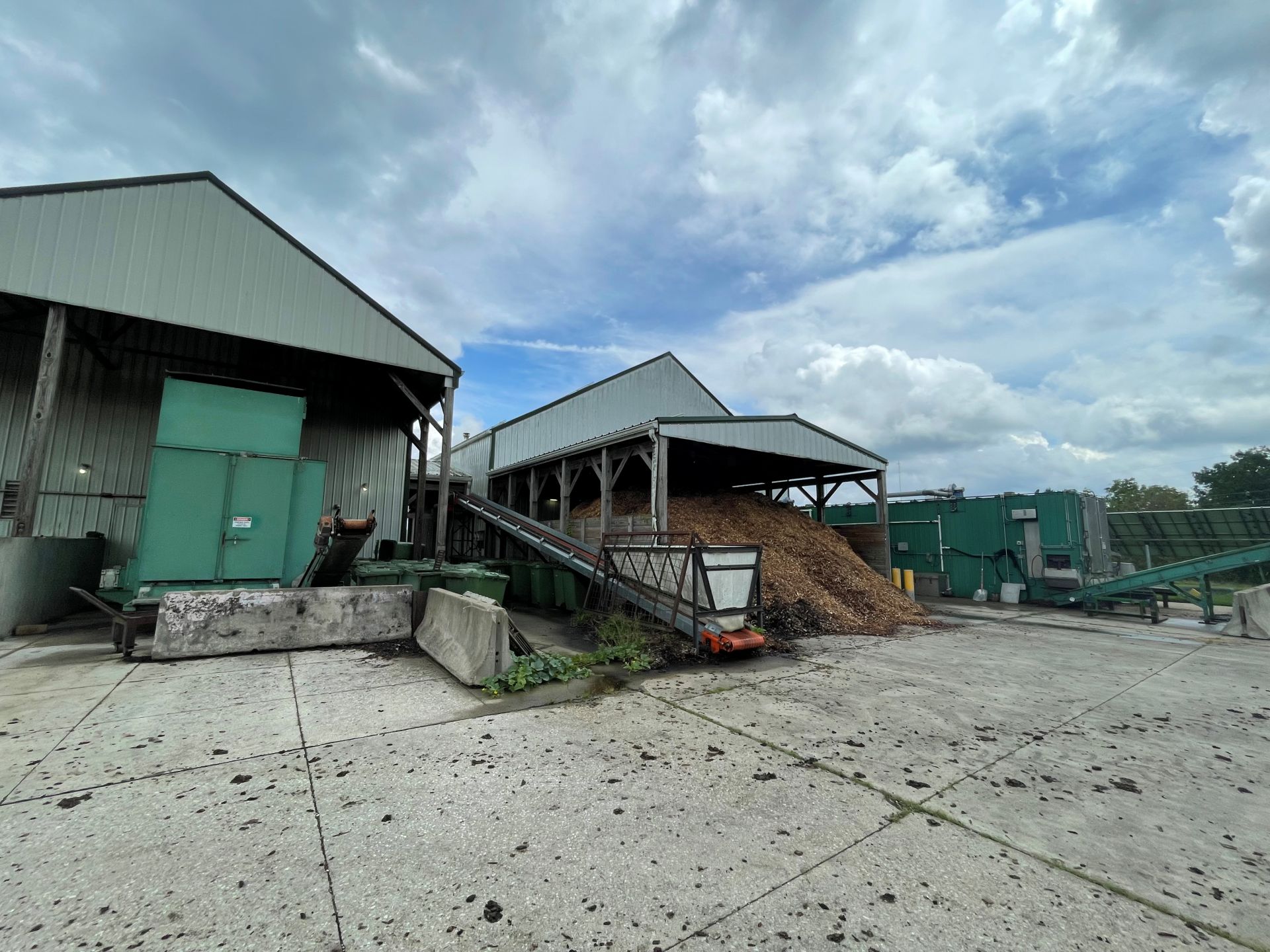
ATHENS, Ohio — Ohio University spent more than $80,000 repairing its composting facility after it was brought offline earlier this year due to equipment failures. As of August, it is in operation once again.
The compost facility, located on the south side of The Ridges in Athens, processes more than five tons of food waste everyday. A large portion of the food waste comes from the dining halls and central food facility with the rest coming from dorms, offices, and compost bins placed around campus.
“The facility provides an important opportunity to divert food waste from landfills and transform it into a useful resource while also supporting education and sustainability initiatives across the University,” Autumn Ryder, director of culinary services at OU, told the Independent.
The facility consists of two large composting machines, which slowly move biodegradable food waste through different temperature zones to speed up decomposition. This “in-vessel” composting system allows university officials to precisely control the decomposition process and contains all the chemicals and smells created as a result.
Sam Crowl, the director of the office of sustainability at Ohio University, told the Independent that employees first noticed something wrong with the composters in late spring. The biodegradable material dispersed from the machine was a lower quality than expected.
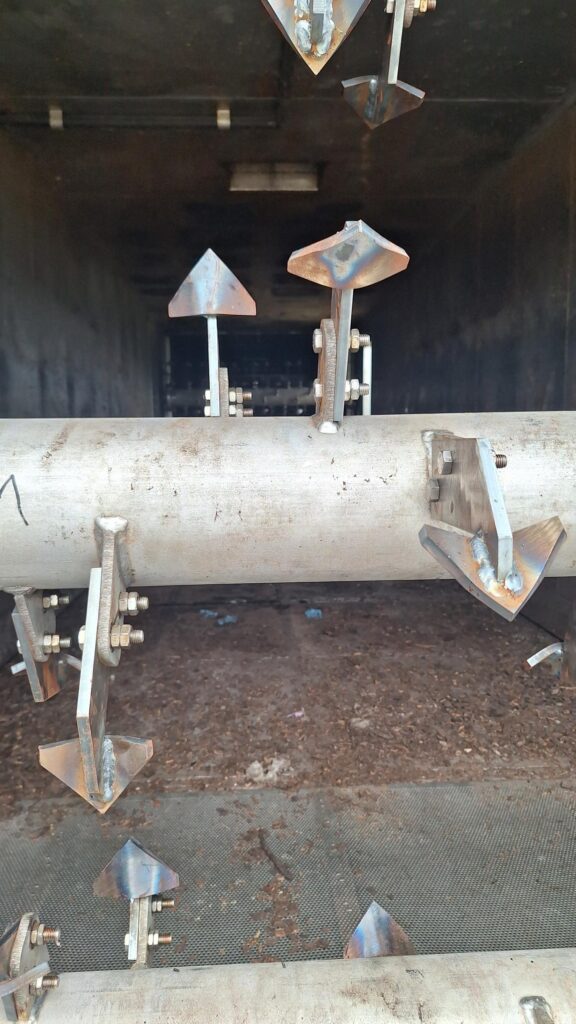
Workers quickly figured out the problem when they opened up the machine. The composters work by constantly moving food waste using shovel shaped “teeth” to encourage decomposition. The university had been using the same teeth for nearly 17 years, and they had worn down over time.
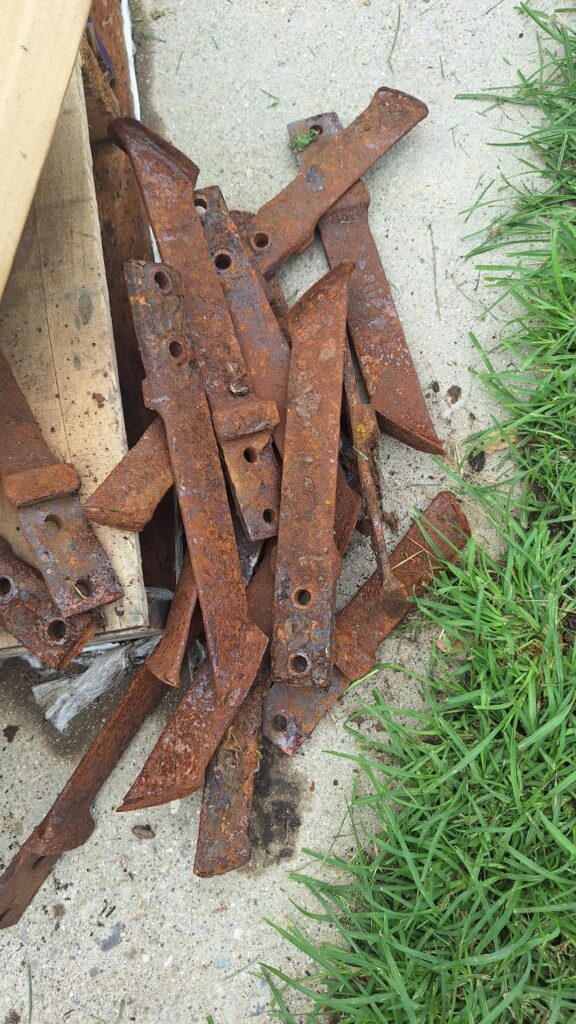
“[The teeth] just degraded to the point where it was just these sort of single rods spinning through the material, and it just wasn’t mixing the same,” Crowl said.
Crowl told the Independent that the university consulted with the manufacturer and hired the Athens Tool Company to build a brand new set of teeth for the composters. According to Travis Post, the assistant director of campus grounds, the university also had the Athens Tool Company perform an inspection and maintenance on both composters.
“The contractor worked on excavating and cleaning the inside of the vessels along with providing us a detailed list of needed repairs,” Post told the Independent in an email. “Those repairs were completed Aug. 17. The total cost of the repairs so far to the compost facility are more than $80,000.”
While completing maintenance on the composters, Athens Tool Company discovered that one of the sump pumps had stopped working. These pumps spray liquid food, such as soups and decaying food matter, back onto the compost to speed up decomposition.
Due to the broken pump, a storage tank overflowed. The facility was designed with this type of incident in mind: Ohio law requires all composting facilities be built on a slope to direct liquids away from nearby water sources. Since the breach was contained to the property, the university did not conduct any water testing, according to Crowl.
The Independent contacted both the Athens City-County Health Department and Ohio Environmental Protection Agency and was told that neither agency was aware of the spill. Jack Pepper, administrator of the Athens City-County Health Department said that “our team will be following up on the [liquid food waste] breach.”
The benefits of compost
Once the compost has been processed by the facility, it then decays into a high-quality soil the university spreads on green spaces across campus. The compost is also sold directly by OU and is in high demand locally, according to Crowl.
“The biggest savings that we see from having this facility is in the lack of fertilizer,” Crowl said. “We don’t have to purchase [fertilizer] because the nutrient-rich soil mixture will automatically add those nutrients to our landscape beds, our trees, intramural fields, anywhere we need.”
In addition to the high-quality soil, the composting facility reduces Ohio University’s environmental footprint. According to the U.S. Environmental Protection Agency nearly 58% of the methane escaping from landfills can be traced back to food waste.
Methane is a potent greenhouse gas and is the second largest contributor to global climate change, according to NASA. The composting process used by the university prevents the bacteria which creates methane from forming, resulting in methane emission free decomposition.
Sustainable dining
Culinary Services this summer also changed how sections of the dining halls operate to reduce the amount of food waste. While the dining halls are still an all-you-can-eat model, some stations have shifted to pre-portioned plates.
Ryder told the Independent that the shift to pre-plated portions was only applied to dining stations where it made sense.
“Some concepts, such as the DIY taco bar, are better suited to self-service and will remain unchanged,” Ryder told the Independent in an email.
These changes were initially made this summer and are expected to remain in effect for this coming school year.
“The staff-plated approach supports Ohio University’s sustainability goals while helping ensure food is prepared and served as responsibly as possible,” Ryder said. “By reducing overproduction and food waste, we expect this change to make a meaningful impact on environmental stewardship and responsible use of resources while maintaining the high-quality dining experience our students and guests expect.”
The Independent asked what impact shifting to pre-plated portions made this summer, but didn’t receive an answer from the university.
Academic research is unclear if pre-plated portions reduce food waste. Scholars at Rice University have suggested that pre-plated portions force customers to take a full serving of a dish they just want to try and may throw away if they don’t like it, increasing food waste. However, the research journal Obesity has published a study showing that reducing portion sizes in all-you-can-eat dining halls is linked with less food waste.
