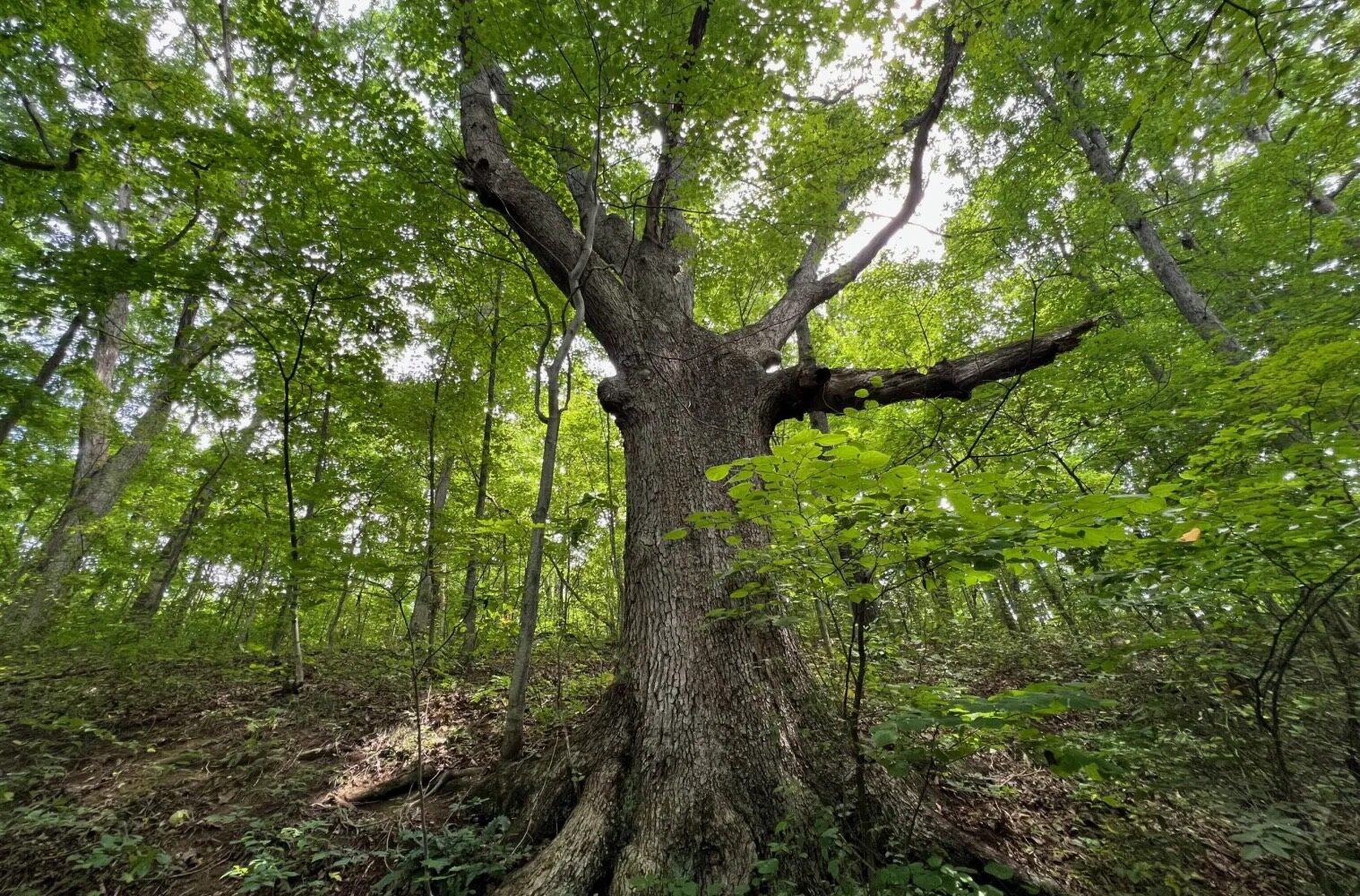
NELSONVILLE, Ohio — Logging in the Wayne National Forest could increase substantially under a presidential executive order to boost federal timber production.
President Donald Trump signed an executive order on Tuesday, March 1 expanding domestic timber production by 25%. In accordance with the order, the United States Secretary of Agriculture moved this month to make new timber projects easier on nearly 113,000,000 acres — about 60% of all land managed by the National Forest Service.
The secretary issued a memo removing forest protections through an emergency determination, citing threats from wildfires, insects and disease. Nationally, environmental groups have criticized that justification, warning that logging can actually increase risks to forests and communities.
Exactly those changes will be implemented is left to regional forest service offices; the secretary directed them to create five-year plans aligned with the new federal goals.
However, substantial portions of the Wayne National Forest appear to be included on a map released by the U.S. Secretary of Agriculture showing areas classified under the emergency determination.
The Wayne’s Forest Management Plan, last updated in 2006, classifies about 83% of forest land as suitable for logging. MollyJo Stanley with the Ohio Environmental Council said all of the suitable areas could be affected – and possibly some areas listed as unsuitable for logging – though they stressed the need for more information.
The uptick in timber production could significantly affect the forest, Stanley said.
“Ohio’s forests are just now beginning to recover” after extensive clearcutting between the 1803 arrival of European settlers and 1940 that removed the vast majority of Ohio’s forests, Stanley said. Clearcutting and the related decline in soil health has left forests today with challenges, Stanley said.
“If we’re talking about the threat of wildfire, threat of invasive species and threat of pests … I don’t think timbering, heavy timbering, is the way to address those issues in the Wayne National Forest,” Stanley said. “So I think that’s the major problem.”
Stanley said increased timber production could disrupt the Wayne ecosystem, including by creating holes in the forest canopy and establishing more access roads that could allow invasive species to thrive and removing older, more fire-resistant trees that make for more valuable lumber.
“When we’re looking at these management projects and we’re looking at these orders, I have a question as to whether they’re congruent with actually tending to the health of our forests,” Stanley said.
Other forest management practices such as prescribed burning are more appropriate to address challenges in Wayne, Stanley added.
A representative from the Wayne National Forest said they are “working with the appropriate USDA spokesperson on responding” to the Independent’s request for comment.