TORCH, Ohio — A study conducted by an Ohio Department of Natural Resources contractor found no evidence that well water had been contaminated by fracking waste from leaking Athens County injection wells, the ODNR said.
Advocates, however, say that while the ODNR’s water study was a good first step, it should not be the end of the department’s work to ensure area drinking water is not contaminated by fracking waste.
The ODNR previously determined that fracking waste from injection wells owned by K&H Partners in Torch and by Reliable Enterprises in Rome Township had traveled as far as 2 miles underground. The waste then rose up through the oil and gas production wells.
The study was conducted to determine whether the fracking waste also affected area water wells.
The water study
Fracking waste, known as brine, can include many byproducts hazardous to human health and the environment, including radioactive compounds and polyfluoroalkyl substances, or PFAS. PFAS are linked to birth defects and increased risk of cancer.
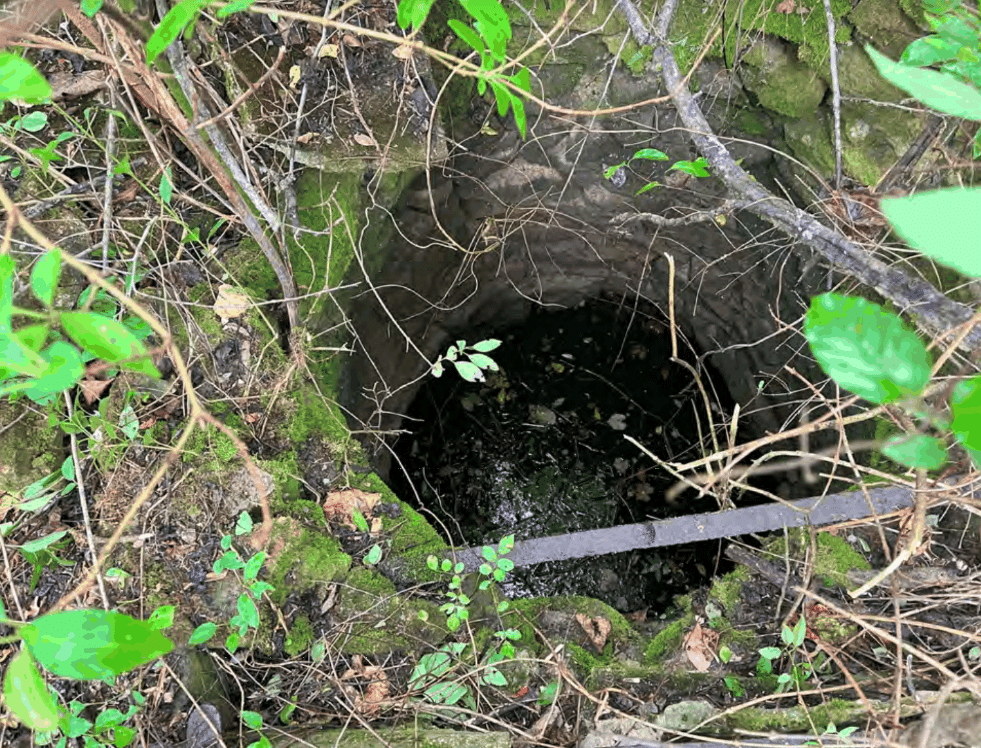
For its well water study, ODNR contractor Patriot Engineering sampled 22 water wells in Athens and Washington counties. The water wells are all located within an approximately half-mile radius of the leaking fracking waste injection wells, or oil and gas production wells affected by the fracking waste.

ODNR Media and Outreach Specialist Karina Cheung told the Independent in an email that the ODNR’s “Division of Oil & Gas Resources Management has concluded from the report that there is no evidence of contamination of private water wells from the K&H and Frost injection wells.”
Chueng added that, “Patriot Engineering’s report met the requirements as required” in the ODNR contract.
Ohio University professor and groundwater expert Natalie Kruse Daniels reviewed the study independently, and told the Independent in an email that the ODNR’s assessment is “in line with my understanding of the results.”
The main parameters evaluated by the ODNR, according to its water testing sample analysis plan, included the level of chloride in the water, as well as the ratio of chloride to bromide — chemicals Kruse Daniels described as “pretty good screening indicators” of potential brine migration.
While some samples had a lower ratio of chloride to bromide than established in the ODNR’s parameters, all the samples had well below the level of chloride that the ODNR determined would have merited additional testing.
“The detected levels of bromide (along with all the other parameters) does not change the conclusion of the study,” Chueng said in an email. “Bromide is a naturally occurring element and the levels of bromide detected is very low.”
Patriot Engineering used a combination of online records for water well registration and its own aerial imagery to identify potential water wells within the areas of review, according to the study. The company attempted to contact well owners at 216 different parcels.
Numerous property owners contacted by the company did not have private wells and used public water; many others did not respond to door hanger notices. Samples were only taken “for those contacts that indicated they had a private water well(s) located at their property and were willing to take part in this study,” the study says.
Of the 22 wells sampled, seven fell “slightly” outside the official half-mile radius established for the areas of review but were incorporated into the study, following Patriot Engineering’s consultation with the ODNR.

Kruse Daniels spoke highly of Patriot Engineering’s work, as reflected in its report.
“The folks who did [the study] did actually do a pretty good job looking at wells that are nearby to the area and things like that – so being pretty inclusive,” Kruse Daniels said in an interview.
“Their job is not finished.”
Chueng did not directly address a question from the Independent about whether the agency will conduct any further drinking water testing.
However, Chueng said in an email, “If a person believes that their water well is contaminated, they may submit a water investigation form to the Division. The Division will review the information provided and investigate if deemed appropriate.”
Water well users may submit such complaints using the ODNR’s online form, Chueng said in an email.
For Roxanne Groff, a former Athens County Commissioner and environmental activist who has fought against local fracking waste injection for many years, ODNR’s plan for follow-up leaves much to be desired.
“They just live in fear that their water is going to be contaminated, and you’re going to tell them it’s now their responsibility to contact you if they think they have the problem? That’s not the way it works,” Groff said in an interview.
Both Kruse Daniels and Groff hope to see further study from the ODNR on possible water impacts from the injection wells.
“Their job is not finished,” Groff said in an email.
She said she would like to see the ODNR test water wells further away from the injection wells, noting that injection waste had emerged in oil and gas production wells substantially beyond the half mile radius in the study. Additionally, Groff said she would like to see more testing in the future, since waste may continue to travel underground.
“The department of natural resources, the state of Ohio should – to prevent any further angst – … go out and test those wells, at least as far as the migration of the brine went that affected the production wells,” Groff said in an interview. “That’s what you should be doing for at least the next four or five years.”
Kruse Daniels also said she would like to see further study over time.
“What we see in one time point may be different from what we see over time,” Kruse Daniels said. “So, I would like to see some follow up.”
However, Kruse Daniels said that because the injection wells are no longer operating, the ongoing threat of contamination has substantially subsided.
“While K&H Partners were injecting, they were applying pressure to the underground, which was driving migration of fluid,” Kruse Daniels said. “When they released that pressure, that driver of migration isn’t there anymore. There is still a pressure differential between deep and shallow. It’s just higher pressure in the deep than in the shallow, but that rate of migration would be very, very different. … You start talking about hundreds or thousands of years.”
The injection wells — including three near Torch owned by K&H Partners and one in Rome Township owned by Reliable Enterprises — have all ceased operations following orders by ODNR. In the case of the K&H wells, the suspension also involved a lengthy legal battle, although the company has now stopped fighting and has moved to plug its wells.
Both Kruse Daniels and Groff called on the ODNR to provide clear communication to individuals whose wells were sampled.
“I’d hope to see some clear, understandable, digestible communication to folks whose water was tested that really lets them understand those data for themselves,” Kruse Daniels said.
Chueng did not directly address a question about the ODNR’s communication with the property owners whose wells were sampled.
“The Division plans to make the report available on ODNR’s website. In the meantime, the public, including property owners who were involved in the water testing, can request the report from ODNR,” Chueng said.
Note: This story has been updated to include a link to ODNR’s online form for water well users to submit complaints.