
Monday afternoon, I stopped at Walmart to pick up some office supplies. (I miss Staples. Showing my age, I miss the old office supply store on ) As is usual these days, only a handful of checkout lanes had cashiers. I generally avoid self-checkouts; if these things exist to reduce costs, why don’t I get a discount for checking my own purchases? It’s not like Kroger or Walmart are hurting for money, and God knows their employees aren’t benefiting from the trend.
But I digress. The lines for self-checkout and cashiers were equally long, so opting for a cashier didn’t seem like a poor choice. None of the lines seemed to be moving at a normal pace, though, and those of us in line chatted amiably about the wait … and the potential cause.
“It’s the paper bags,” my neighbor-in-line asserted. And that did appear to be true: Instead of swiftly opening plastic bags, cashiers pulled paper bags from under the carousel. As their supplies ran low, the cashiers restocked from shopping carts up front that were laden with paper bags. (They’re getting their steps in, that’s for sure.)
Finally, the cashier scanned my ream of paper and pack of address labels. “Do you need a bag?” she asked, seeming relieved when I said, “No, thanks.”
“Are the bags slowing y’all down?” I asked.
“Yes,” she said emphatically.
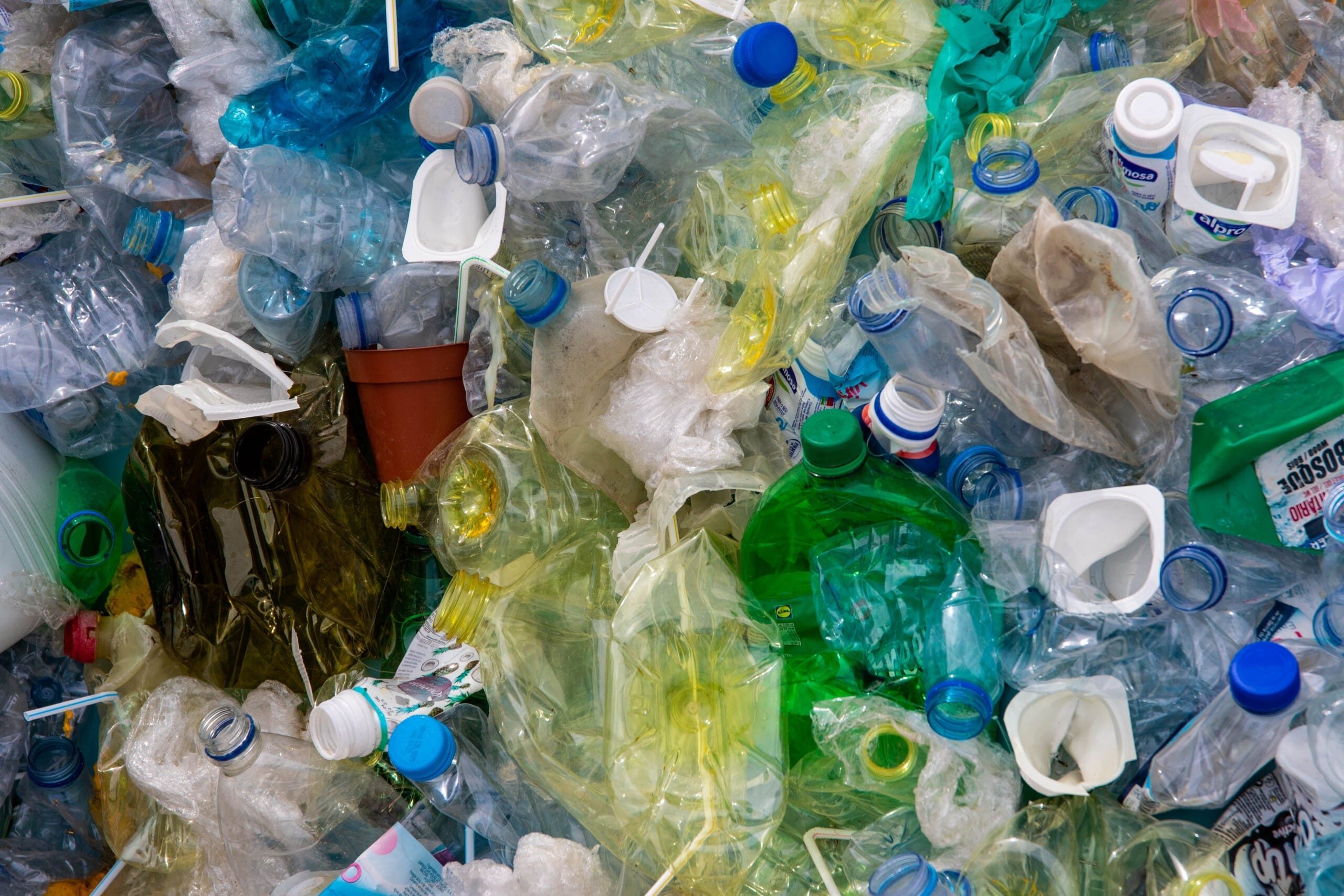
Look, I hate plastic bags; my family has shopped with reusable bags for years. Plastic bags represent everything that’s wrong with our disposable society. But banning single-use plastic bags is not an unqualified win for the environment. We’re still stuffing our paper or reusable bags with items made of or packaged in plastic that is generally not recycled — despite the plastics industry’s efforts to convince us that recycling makes plastic OK.
Living plastic-free is a function of privilege. Plastic is cheap to manufacture, lighter to transport and durable, reducing loss to breakage; items packaged in glass or paper are almost always more expensive than their plastic-enclosed counterparts. Because plastic is ubiquitous, it takes time and effort to seek alternatives, and time and effort are in short supply for many.
I’m not saying that Athens’ plastic bag ban is bad or wrong, or that we should just embrace plastic as inevitable. What I’m saying is that this is not a “mission accomplished” moment. As with any societal challenge, dealing with plastic pollution requires systemic change far beyond municipal bag bans, and we must be mindful of how those changes affect front-line workers and everyday consumers.
