-

·
Ticks and tick-borne illnesses pose increasing risk to Athens County
Lyme disease, Rocky Mountain spotted fever and other tick-borne illnesses infect more Ohioans every year.
-
·
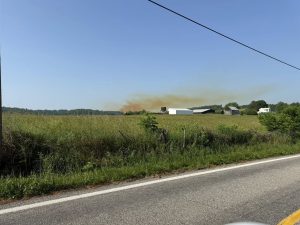
Few answers about what went wrong at Austin Powder factory
The company has a history of safety violations, including several at the Vinton County plant that released a cloud of toxic gas last week.
-
·
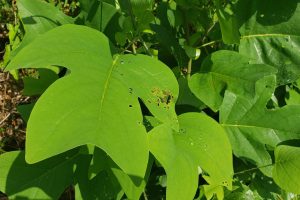
Tulip trees exhibit stress from pests, drought
Many tulip trees in southeast Ohio and central West Virginia have had sparse leaves. Experts speculate why this is happening and what may happen to the area’s trees in the future.
-
·
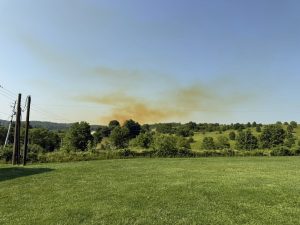
Chemical spill at Austin Powder factory, parts of Vinton County evacuated (Updated)
The evacuation order was lifted at 4:30 p.m. Wednesday. Modeling showed the plume contained within Vinton County.
-

·
Ohio landowners say fracking wastewater is leaking underground, threatening their oil wells and drinking water
Two big oil producers in Southeast Ohio say dozens of their wells have flooded with industrial waste from the fracking industry. As they sue several disposal site operators, including one owned by a sitting state senator, regulators agree that injection wells are leaking, leaving some to also worry about their water.
-

·
Athens County EMA seeks disaster relief funding for storm damage
The Ohio Emergency Management Agency visited several southeast Ohio counties to inspect damage caused by recent storms.
-

·
Carbon sequestration bills draw rebuke from activists, oil and gas producers
Twin bills in the Ohio Senate and Ohio House, the former sponsored by Sen. Brian Chavez (R-30), would help transfer authority over underground carbon sequestration to the ODNR.
-
·
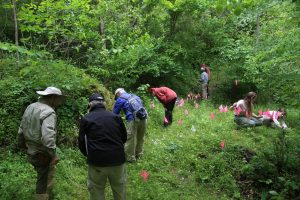
Athens Conservancy carves a path for plant that once relied on buffalo
Once thought to be extinct, the clover was found at Baker Preserve in 2015 and removed from the federal endangered species list in 2021.
-

·
Monthly farmers market will bring fresh food to Nelsonville
The market will be held June through October on the first Wednesday of each month from 4–7 p.m. in the parking lot of the Athens County Community Cares Resource Center.
-
·
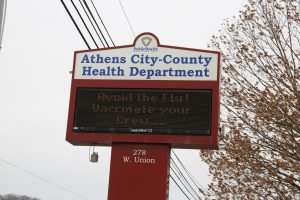
Athens City-County Health Department monitors mosquito-borne diseases
The Athens City-County Health Department received a $12,000 grant from the Ohio Environmental Protection Agency to fund its mosquito surveillance and control program.
