-
·
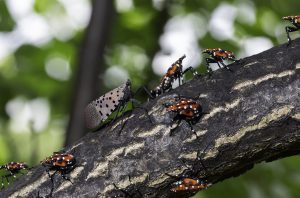
Spotted lanternfly on the move in Southeast Ohio
The invasive species, first spotted in Pennsylvania, could soon be found in Athens County.
-
·
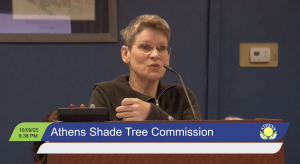
Athens scraps proposed reduction in urban canopy requirements
The city administration is still working to remove regulatory authority from the Shade Tree Commission, which commission members and some city residents fear will benefit developers.
-
·
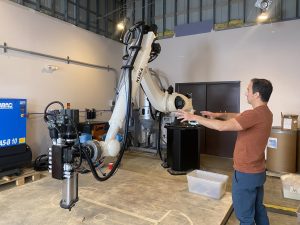
3D-printed homes under construction in Chauncey
The Survivor Advocacy Outreach Program has partnered with Vitruvian to construct homes using 3D-printing technology, with a goal of providing affordable housing options in the village.
-
·
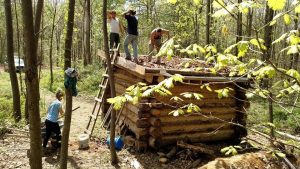
Rising Appalachia hopes to turn coal mining land into community forest
The group recently secured substantial funding to move toward its goal, but it has a long way to go.
-
·
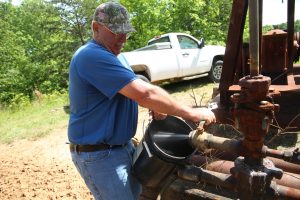
ODNR using old rules on new injection wells tied to state senator
Tighter rules for new fracking injection wells weren’t applied to multiple applications from a company formerly headed by an Ohio senator who chairs the Energy Committee.
-
·
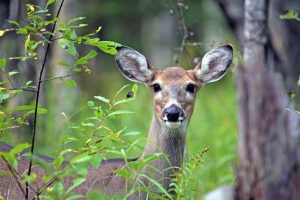
Ohio to limit deer hunting due to disease; hunters call for more
Amid an unprecedented deer disease outbreak, a proposed rule change would limit the upcoming season’s deer harvest in Athens, Meigs and Washington counties.
-
·
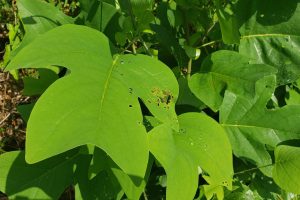
Athens admin looks to take authority away from Shade Tree Commission (Updated)
The city’s proposed changes would also substantially reduce the number of trees required at new development projects. Commission members have objected to the changes, saying they will benefit developers at the expense of the city’s urban canopy.
-
·
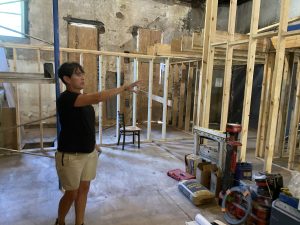
Local organizations drive big changes in Glouster
Public, nonprofit and private organizations have come together to update dilapidated buildings on Glouster’s High Street and bring businesses, housing and social services into the village.
-
·
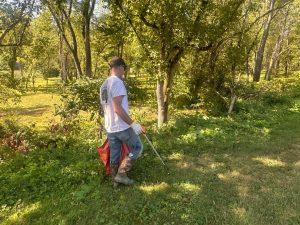
Photo gallery: 2025 Ohio River Sweep on the Hocking
The event took place Aug. 23 and brought together community and student volunteers.
-
·
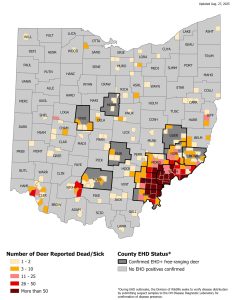
Athens County center of deer disease outbreak
Athens County is at the center of a significant spike in deer deaths as a result of Epizootic Hemorrhagic Disease.
